From Despair to Hope, Archona’s Story

Five-year-old Anup from Bangladesh has faced significant challenges from early infancy. At just five months old, he began experiencing seizures that severely affected his development.
His family had no understanding of epilepsy and were unprepared to manage his condition. His mother, Archona, had no prior knowledge of the condition, and Anup’s early symptoms were therefore misunderstood and inappropriately managed. As his seizures became more frequent, the family did not access clinical services. Instead, they were advised to seek help from a traditional healer. However, this intervention proved harmful and led to a deterioration in Anup’s condition.
During this period, Archona experienced blame, stigma and emotional isolation within her marital household. Her husband opposed further treatment, and responsibility for Anup’s disability was repeatedly placed on her. In order to safeguard her child, Archona made the difficult decision to leave her husband’s home and return to her parents. With no independent income and limited information about her son’s condition, she felt overwhelmed and vulnerable, yet remained determined to seek support for her child.
A Turning Point Through Community Support
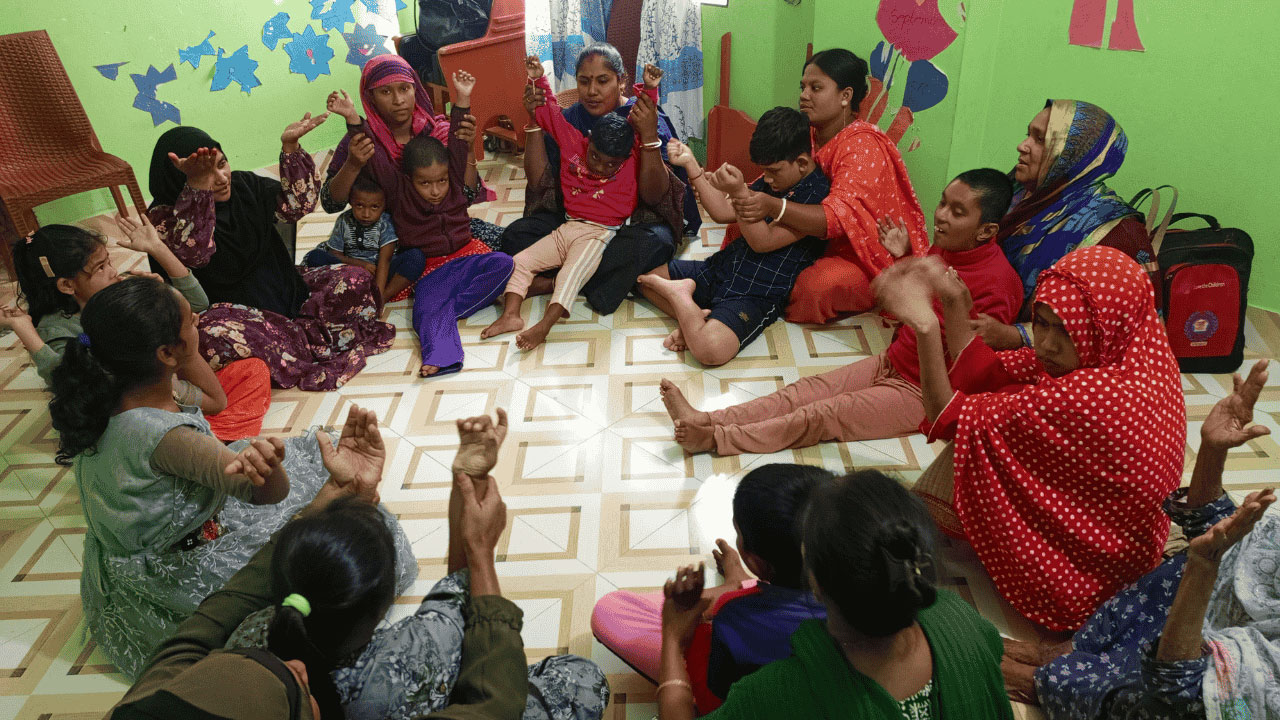
A critical change occurred during a routine home visit by staff from one of our Community Caring Centres - run by our local charity partner, Centre for Disability in Development (CDD) - who had heard about Anup. They listened to Archona’s experiences with empathy and understanding. With their encouragement, she began attending the centre regularly, gradually integrating Anup and getting to know the staff and other parents. She joined her local Carers Group and participated in awareness sessions that increased her understanding of Anup’s condition and his care needs.
Following a comprehensive assessment by the centre staff and therapists, Anup started following an individualised programme of early education and therapy. He also received orthoses to support his legs, a specialised chair to support sitting and play, and a standing frame. Archona received training to enable her to continue his learning and therapy exercises at home.
Over time, Anup began to show measurable progress. He is now able to sit with support, respond to voices, turn his head towards sounds, and express pleasure through smiling and engagement. Alongside her son’s development, Archona’s confidence and understanding has increased significantly. With guidance from her Carers Group, she successfully registered Anup’s birth and applied for his Disability Certificate, helping to secure access to future services and entitlements.
Family Reintegration and Sustained Change
As Anup’s condition improved, his father became aware of the changes. Although initially sceptical, he later observed Anup sitting independently in his chair, responding to his name, and actively participating in therapy. Continued home visits and counselling by the project team supported improved understanding within the family. As a result, Anup’s father has now rejoined the household, participates in project activities, and shares responsibility with Archona for their son’s care and development.
Anup’s story demonstrates the transformative impact of specialised input, community-based rehabilitation and structured carer support. As a result of the opportunities Anup and Archona have gained through our Community Caring Centre, their lives and future have been changed on all levels:
- A child at risk of long-term neglect has gained access to education, therapy and appropriate assistive devices
- A mother who previously felt powerless has become a confident and informed carer
- A father who had withdrawn from care has re-engaged and reunited with his family
- A family that was previously fragmented is now working together to support their child’s future
"Now I can dream for my son,"
- Archona
Anup and Archona’s story highlights the value of early intervention, family-centred approaches, and community-level support systems. What began with a single home visit has resulted in sustained improvements in abilities, well-being, family stability and dignity.
If you would like to help us support more families, please do consider giving a gift.
