Carers Week 2026: Building Carer-Friendly Communities Across South Asia

Every June, Carers Week in the UK shines a light on the millions of people who provide unpaid care to loved ones with a disability or long-term health condition.
While Carers Week is a UK initiative, the challenges it highlights are universal. In South Asia, unpaid carers, mostly women and girls, shoulder immense responsibility, often without any respite or support from their community, and while facing stigma, social isolation and extreme financial pressure.
Many unpaid carers spend years putting their own health, education, and well-being aside to look after a family member, and too often, they do this alone.
The theme of Carers Week this year is Building Carer-Friendly Communities. This feels especially close to our hearts at Carers Worldwide, as it captures exactly what we and our local charity partners across South Asia are working towards every day: ensuring that unpaid carers are recognised, supported, and able to live with dignity within their communities.
Below, we go through the different ways in which we and our local charity partners, through our Carers Worldwide Model, create carer-friendly communities.
Creating Spaces Where Unpaid Carers Can Connect and be Heard
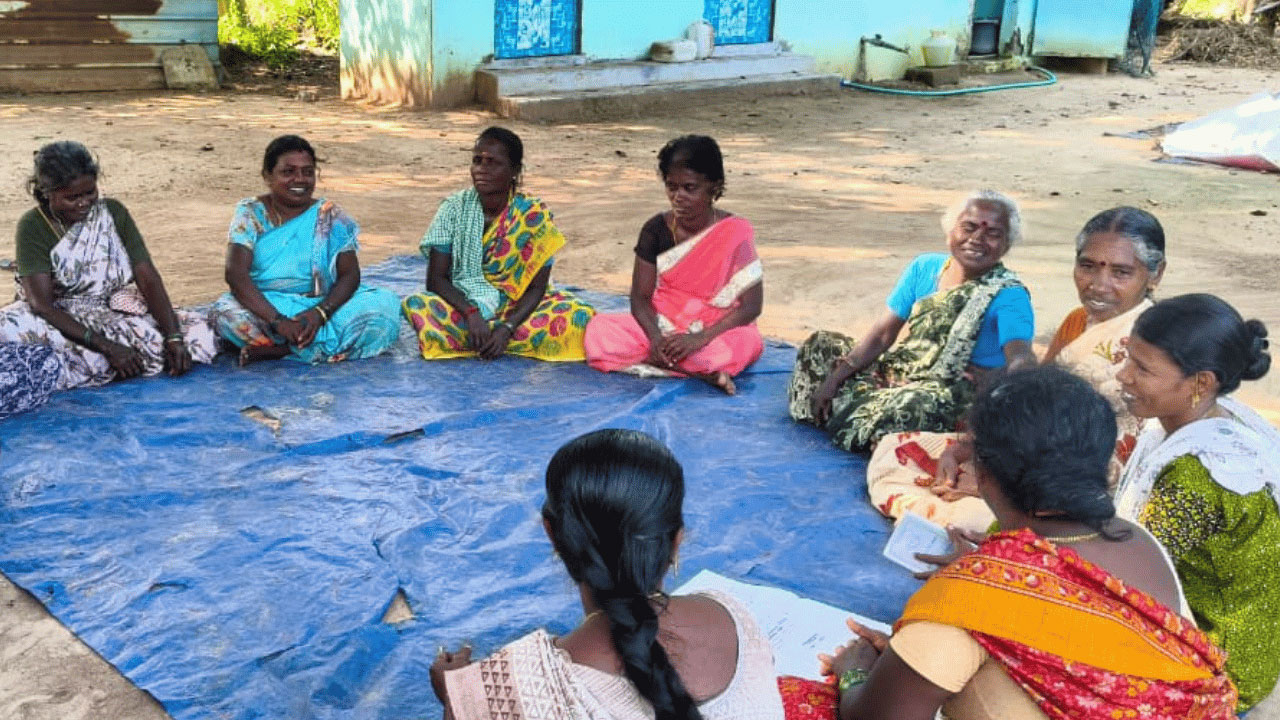
One of the most transformative ways to build carer-friendly communities is by creating places where unpaid carers can come together, share experiences, and access support. Through our local charity partners in India, Nepal and Bangladesh, we establish Carers Groups - safe, welcoming spaces where carers can meet others who understand their daily challenges.
These groups offer emotional support, practical advice, and a sense of belonging that many carers have never experienced before. They also act as a platform for collective advocacy, enabling carers to speak with a stronger, united voice when engaging with local authorities and service providers.
Community Caring Centres: A Lifeline of Respite
For many carers, taking even an hour for themselves can feel impossible. Our Community Caring Centres are a safe space for carers to leave their loved ones knowing they’ll be well cared for, and giving carers time to rest, socialise or work.
Our centres provide personalised therapy and care for disabled children, who often aren’t accepted into local schools, and are a place for them to socialise and make friends too. And because the centres are rooted in the local community, they help make disability more visible and accepted, which supports integration, and ultimately, works towards creating carer-friendly communities.
Supporting Livelihoods so Carers Can Provide for Their Families
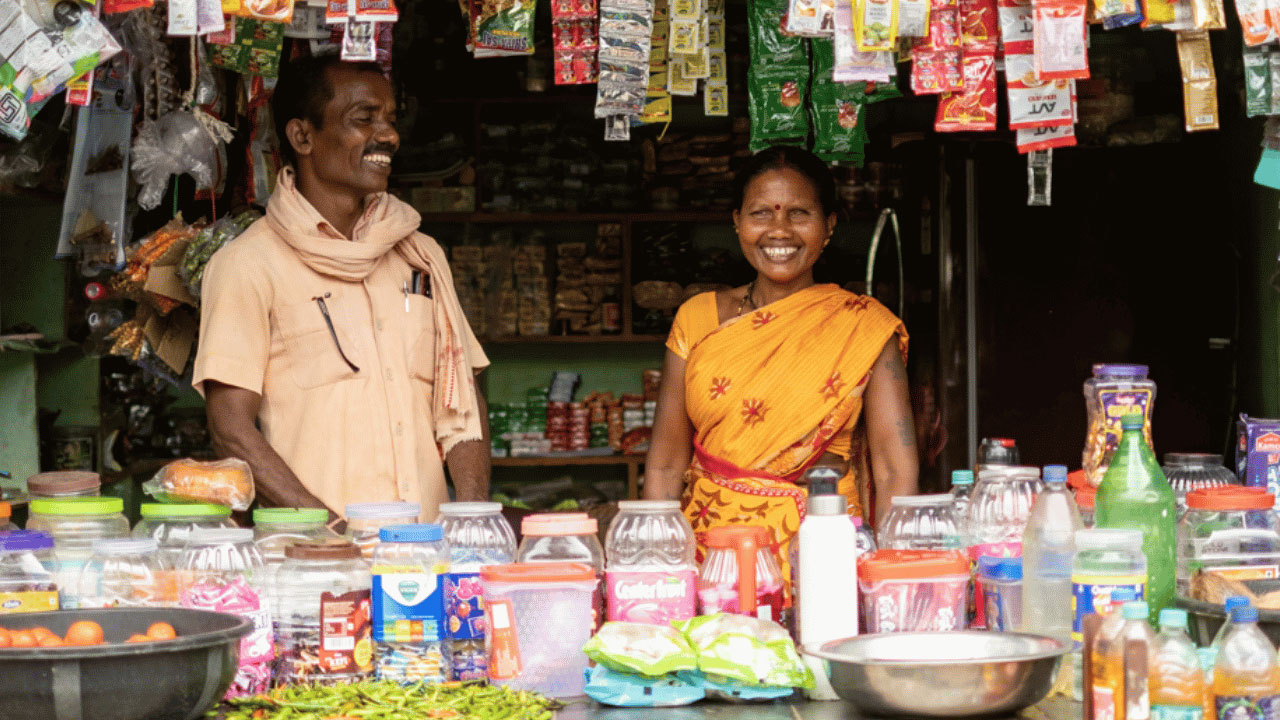
Unpaid carers often face severe financial hardship as they cannot work because of their caring role. Through our partners, we are helping carers access livelihood opportunities, from small business training to income-generating activities that can be done from home.
This support is not just about income, it’s about independence, confidence, and dignity. When carers can earn, they gain greater control over their lives and are better able to support their families.
Advocating for Carers’ Rights and Recognition
Building carer-friendly communities also means ensuring carers are recognised by the systems that shape their lives. Together with our local charity partners, and through our National Carers Alliances, we advocate for carer-inclusive policies and legislation, including:
- Carer identification and recognition
- Inclusion in social protection schemes
- Better access to health services
- Disability benefits for families
- Representation of carers in disability, elder care and mental health policies
Recent wins, such as the introduction of a carers allowance in the state of Karnataka, India and Carers ID Cards in parts of the Bangladesh capital, Dhaka, show what is possible when carers’ voices are heard.
Improving Access to Healthcare for Carers
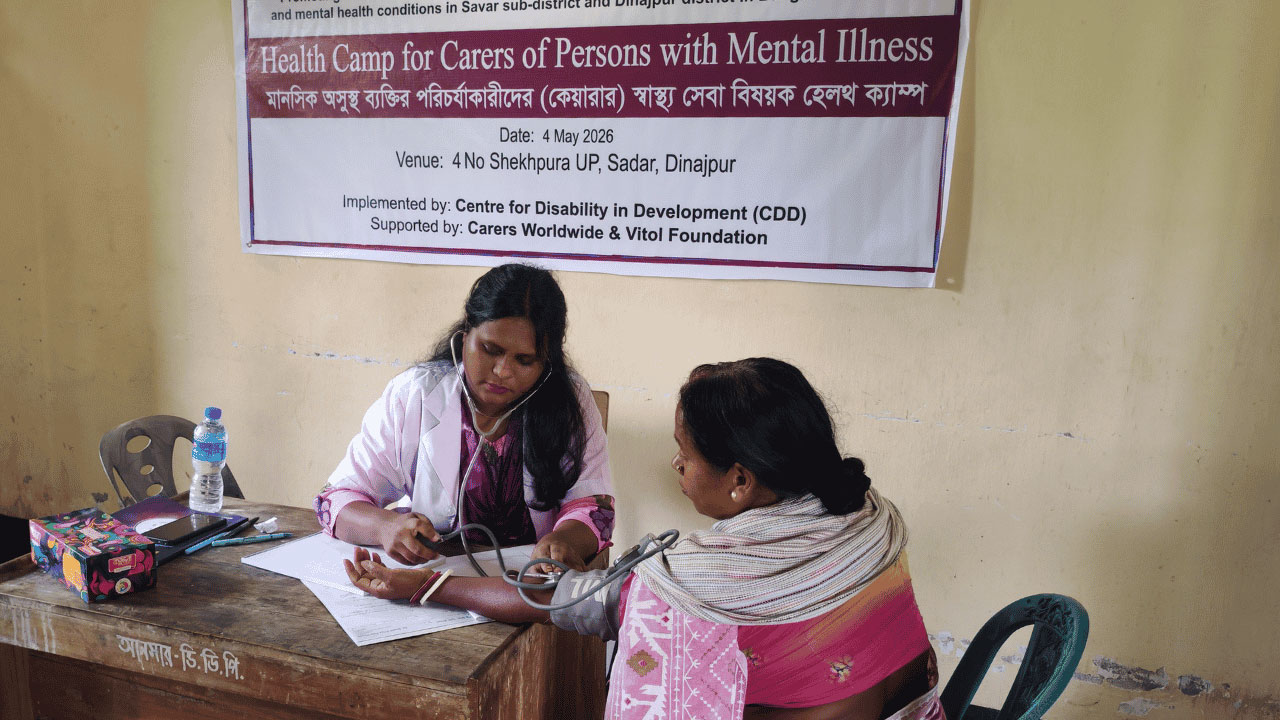
Our research shows that 73% of unpaid carers in South Asia experience health problems, yet as few as 5% seek medical treatment. Caring responsibilities, long travel distances, and financial barriers mean carers often put their own health last.
Through running health camps for carers, and training local community health workers to recognise and support carers’ needs as well as those they are caring for, we are helping carers receive the healthcare they need and deserve. When carers are healthy, whole families and communities thrive.
Change Is Possible When Communities Come Together
Carers Week is a moment to celebrate the compassion and resilience of unpaid carers everywhere. But it is also a reminder that carers should not have to struggle alone. Building carer-friendly communities is not a luxury, it is a necessity.
Across South Asia, we are seeing what happens when communities, local organisations, and carers themselves come together: greater recognition, stronger support networks, improved well-being, and real policy change.
This Carers Week, we reaffirm our commitment to ensuring every unpaid carer, wherever they live, is valued, supported, and able to live a life of dignity.
Help Us Build More Carer-Friendly Communities
Your support will enable us to create more Carers Groups, open more Community Caring Centres, train more carers to start their own small businesses, strengthen advocacy, and reach unpaid carers who are still unseen and unsupported.
If you can, please consider becoming a monthly donor. Your regular contribution will help us continue this vital work and reach more carers across South Asia.
Together, we can build communities where unpaid family carers are recognised, supported, and never left behind.
