Carers Worldwide Featured on BBC World Service

We’re excited to share that Carers Worldwide is featured in this week’s episode of the BBC World Service programme, People Fixing the World - a programme which aims to discover the people and projects trying to make the world a better place.
The episode, ‘Who cares for the carers?’ explores innovative ways in which unpaid carers are being supported around the world.
LISTEN TO ‘WHO CARES FOR THE CARERS’ HERE
Our Development Director, Ruth Patil, speaks to presenter Myra Anubi about our work across South Asia and the impact it has on the lives of unpaid carers and those they care for.
She talks about the story of Carers Worldwide, how she and her husband Anil were inspired to start the charity after their own experiences of caring for their daughter who has Down syndrome. She also explained how we work through our local partnership approach, to implement support for unpaid carers in the areas of health, income generation, peer support, advocacy and, importantly for this episode, respite - giving carers a break from their caring responsibilities.
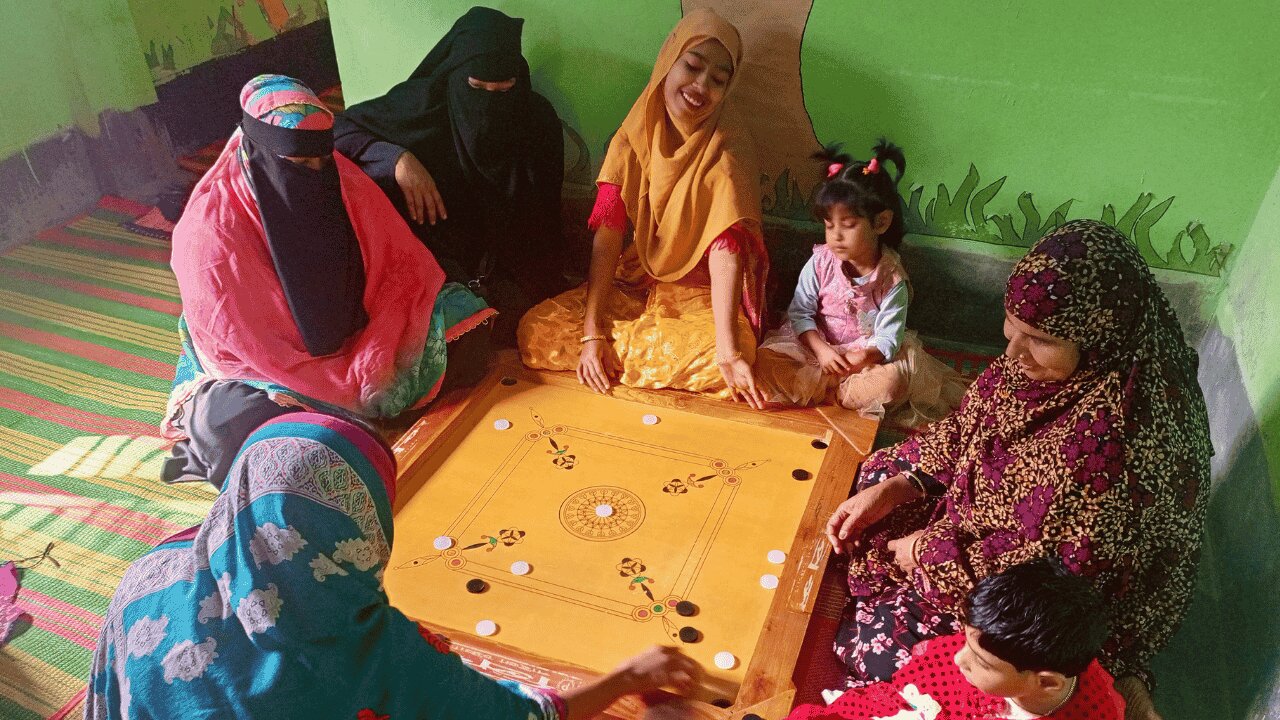
The episode also visits one of our Community Caring Centres in Bangladesh near the capital Dhaka, run with our local charity partner Centre for Disability in Development (CDD), and hears from Hena and Maryam, two of the carers that use the centre, as well as from Moinul Islam from CDD who runs the carers project.
Moinul shared how the Carers Project and the Community Caring Centre has given unpaid carers a place where they can have an identity too. They can share their own health issues, raise their voices, have the chance to earn for their families.
“Carers lives are changed. In the beginning they were totally invisible, now they are visible.”
Hena and Maryam share their caring stories and how the centre has helped them realise they are not alone and has given them a sense of belonging, respect and an identity.
“I thought mine was the only child like this and that there were no other such children in the world. I always thought I was just a mother, that all the responsibilities were mine alone. But after coming here, my husband also cares a lot now which wasn’t the case before. This happened after coming to the centre.”
"Everyone said the problem was because of me that [my daughter] is disabled. Then I came here talked to everyone and shared my sorrows. There are some things we can't even tell our husbands, but we can share them here, so our mental pressure has decreased, we stay happy…Taking care of this girl gives me an identity…we are now carers. We have respect and a name.”
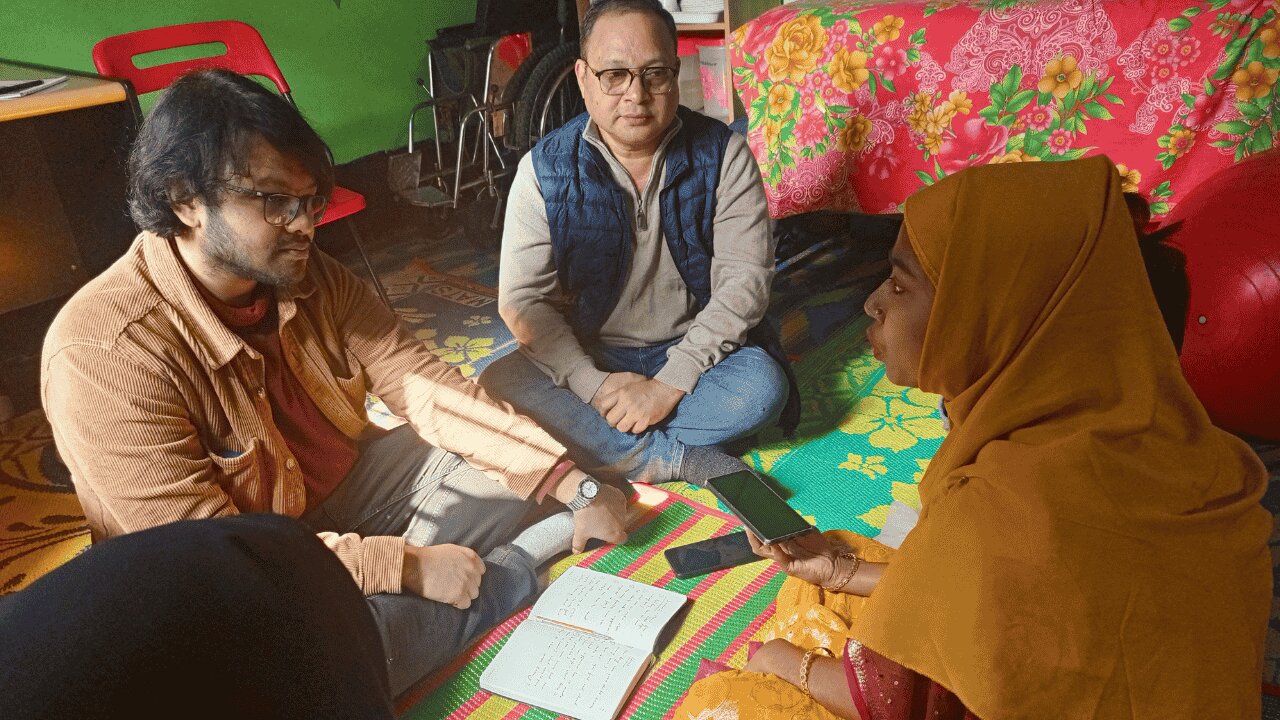
During the programme, Ruth also shares some of the achievements of our advocacy work, including the southern Indian state of Karnataka implementing a carers’ allowance and the development of a Carers ID Card in Bangladesh, which allows unpaid carers to get fast tracked for treatment at hospital.
“As well as the financial support, which is critical for a lot of these families, it also is about the recognition that having [the carers’ allowance] in place, gives to carers. It makes them feel like “I am important enough; my government has recognised me’.”
Through our work, we often see that carers don’t look after their own health needs, as a trip to the hospital can take a whole day and they don’t have time due to their caring responsibilities. The Carers ID Card, developed in collaboration with the local social services department, means that carers will get faster treatment, so will be more likely to seek treatment when they need it. We hope that this scheme will be rolled out across Bangladesh and further afield.
The episode also features the charity Carefree, who offer low-cost hotel rooms for carers to use for a night’s respite away from their caring duties.
Thank you so much to the BBC World Service for asking us to be a part of this programme and for recognising and highlighting the importance of support for unpaid carers around the world.
You can hear the episode now on the BBC. We hope you enjoy it as much as we did!
If you’ve been inspired by the difference our work can make, please consider giving a donation to help us support more unpaid carers in low- and middle-income countries.
