Supporting Those Who Care: Evaluating our Barefoot Counselling Service for Unpaid Family Carers in Nepal

At Carers Worldwide, we are committed to ensuring that unpaid family carers are recognised and supported. In partnership with our local charity partner, TPO Nepal, we recently completed a project in Bagmati Rural Municipality, Makawanpur District, offering a unique intervention: our Barefoot Counselling Service.
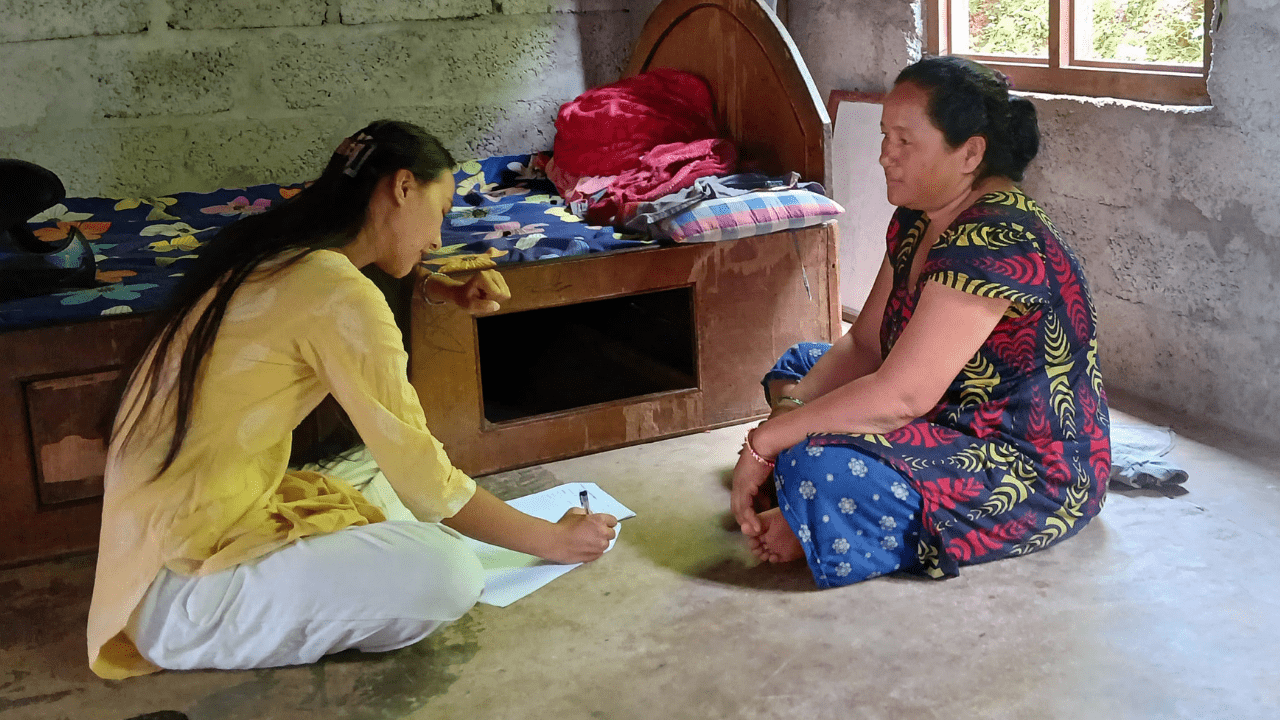
This project trained Female Community Health Volunteers (FCHVs) - the backbone of Nepal’s health system - to provide community-based psychosocial counselling to unpaid carers who are supporting relatives with disabilities, chronic illnesses, and mental health challenges. Carers often carry enormous socio-economic and psychosocial burdens, including poverty, limited access to healthcare and education, social isolation, and gender-based inequality, and this initiative set out to ease those pressures.
Now that an evaluation of the project has been completed, we are reflecting on what we achieved together, what we have learned, and where we go next. You can read the full report here.
Overall Effectiveness of the Intervention
The evaluation showed that the Barefoot Counselling Service was highly effective in improving the well-being of unpaid carers. Carers reported significant improvements in:
- Emotional and mental well-being: We saw statistically significant reductions in depression, stress, anxiety, and suicidal thoughts following the intervention.
- Physical well-being: The results revealed a statistically significant improvement in physical well-being after the intervention, with a decrease in exhaustion, pain, and worries about health decline.
- Loneliness and isolation: Carers reported feeling less socially excluded and more able to share their challenges, with a significant reduction in loneliness and isolation observed between the pre- and post-assessment periods.
- Advocacy confidence: Our intervention led to a significant improvement in carers feeling more aware of their rights, more willing to participate in civic life, and more confident in expressing their needs.
While improvements in respite and financial concerns were recorded, these were not statistically significant, reflecting the reality that counselling alone cannot address all the challenges that carers face.
"I felt relieved, just knowing someone is there to listen to me."
Changes in Key Indicators
- Mental health: Before the project, half of carers responded with ‘strongly agree’ when asked if they felt depressed due to caring; after, that number dropped to just 18%.
- Isolation: Those who responded to whether they felt lonely with ‘strongly agree’ fell from 26% to just 6%.
- Physical strain: Carers who responded with ‘strongly agree’ to feeling physically exhausted by caring dropped from 38% to 11%.
- Advocacy: After the project more carers reported being prepared to take action to advocate for their needs and knowing who to approach and how to access their rights.
These measurable improvements underline the power of low-cost, community-based psychosocial support when delivered consistently.
Lessons for the Future
The evaluation also highlighted important lessons:
- Financial hardship remains a major challenge. Without direct income support, many carers still face poverty and stress.
- Carers need broader recognition within their families and communities; stigma persists, and more awareness-raising is needed.
- FCHVs need continued support - refresher training, incentives, and system-level backing - to sustain their motivation and effectiveness.
- Geographic and logistical barriers in remote areas continue to limit access to mental health services.
Sustainability and Next Steps
For the intervention to last, the evaluation recommends:
- Integration into health systems: Embedding mental health services and carer support services into Nepal’s primary health care, supported by local government resources.
- Expanded training for FCHVs: Including mental health and carer support modules in the standard FCHV training curriculum and providing incentives to recognise their extra responsibilities.
- Community awareness campaigns: Tackling stigma, raising recognition of carers, promoting positive attitudes toward carers and care receivers, and promoting mental health literacy.
- Mobile and telehealth solutions: To reach remote carers who cannot easily access services.
"I learned how to talk to people in distress and that has changed me as well."
Policy and Advocacy
The project showed that even small-scale interventions can shift perceptions, among carers themselves, local leaders, and health volunteers. But lasting change will require policy action such as budget allocations for carer support and mental health; recognition of unpaid carers in local and national policy; and stronger referral mechanisms to link community carers with professional services.
Moving Forward
We are proud of what this project has achieved: improved well-being for carers, stronger community awareness, and new confidence among carers to speak up for themselves. But we also know there is more to do.
Working alongside TPO Nepal, carers, and community stakeholders, we will continue advocating for carers’ voices to be heard at every level. The evaluation gives us clear evidence: with the right support, unpaid carers can thrive.
“This programme must continue because people now have hope.”
If you would like to help us continue programmes such as this one, please consider giving a gift today.
