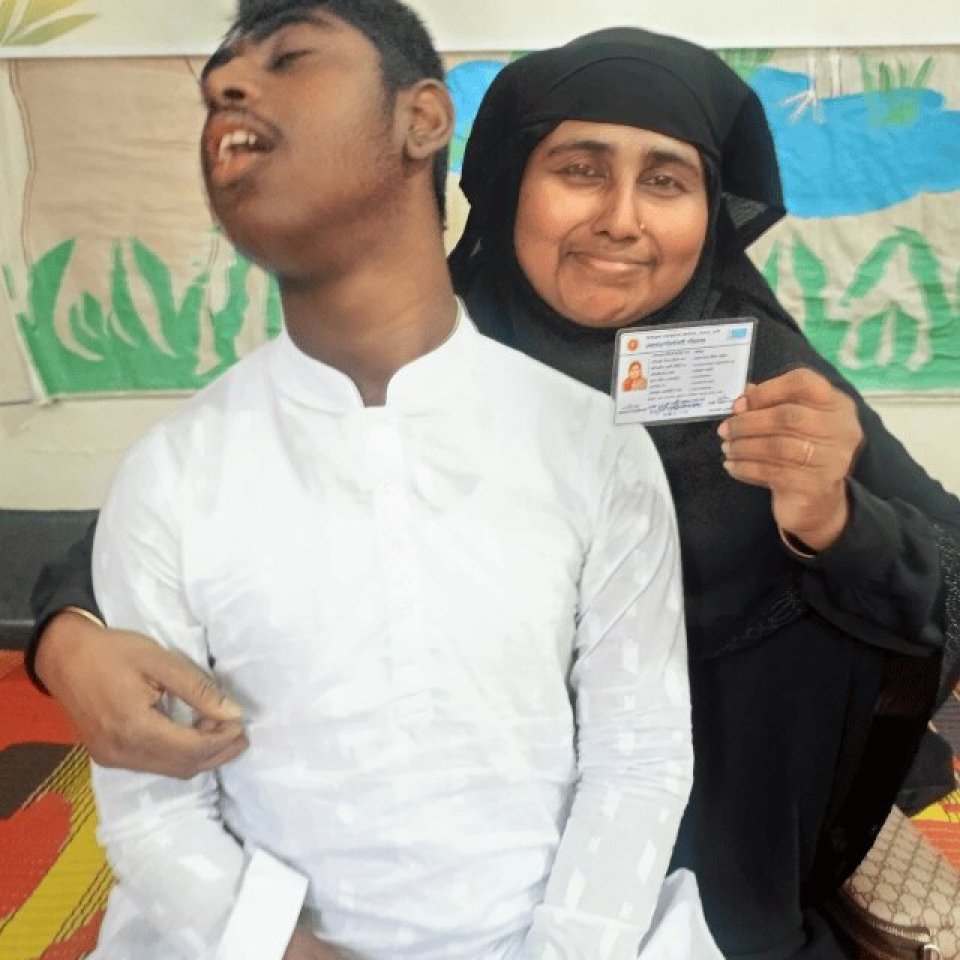
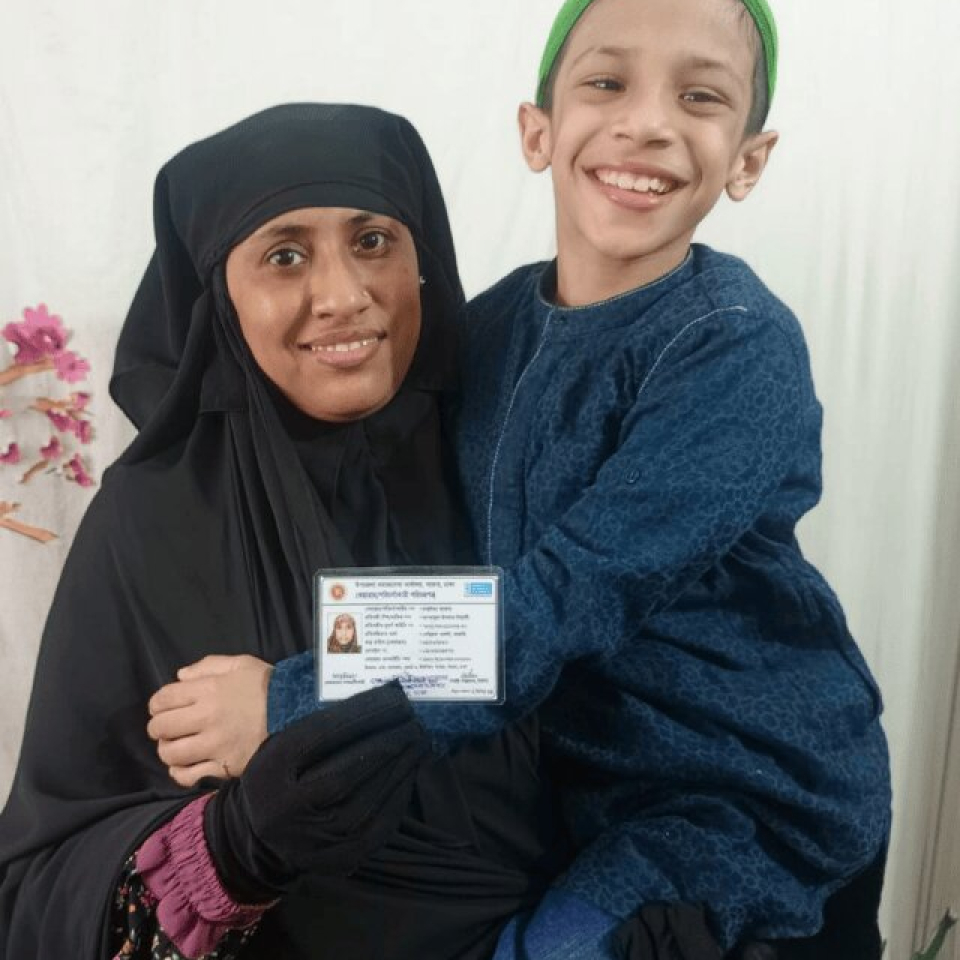
Carers ID Cards: A New Chapter of Recognition and Support for Unpaid Carers in Bangladesh

Unpaid carers shoulder an immense responsibility, providing round-the-clock support to loved ones who are disabled, ill or elderly, often at great personal cost. One of the challenges they face is accessing medical treatment for themselves. Many carers simply cannot leave the person they look after long enough to queue for appointments, travel to clinics, or navigate complex health systems. And if they bring their loved one with them, it can make the journey physically and emotionally exhausting. As a result, carers frequently put their own health last.
Our research across South Asia paints a stark picture: 73% of unpaid carers report health problems, yet as few as 5% seek medical treatment. The reasons come down to a lack of time, lack of money, and the overwhelming weight of caring responsibilities. When carers neglect their own health, the well-being of the entire household is at risk. Supporting carers is not only a moral imperative; it is essential for healthier families and stronger communities.
A Breakthrough in Bangladesh: Introducing Carers ID Cards
In September 2025, we were proud to launch Carers ID Cards in parts of the Bangladesh capital Dhaka, in partnership with the local social services department. This initiative marks a significant step forward in recognising unpaid carers and easing the practical burdens they face.
So far, 200 carers have received their Carers ID Cards, with a phased rollout planned to reach 1,008 carers in total. The next batch of 200 cards is already in process and will be distributed next month.
The impact has been immediate and deeply encouraging. Carers are now using their ID cards to access priority services, particularly within health facilities, allowing them to receive medical attention more quickly and with far less stress. Reduced waiting times have made hospital visits far more manageable for carers, and therefore more feasible.
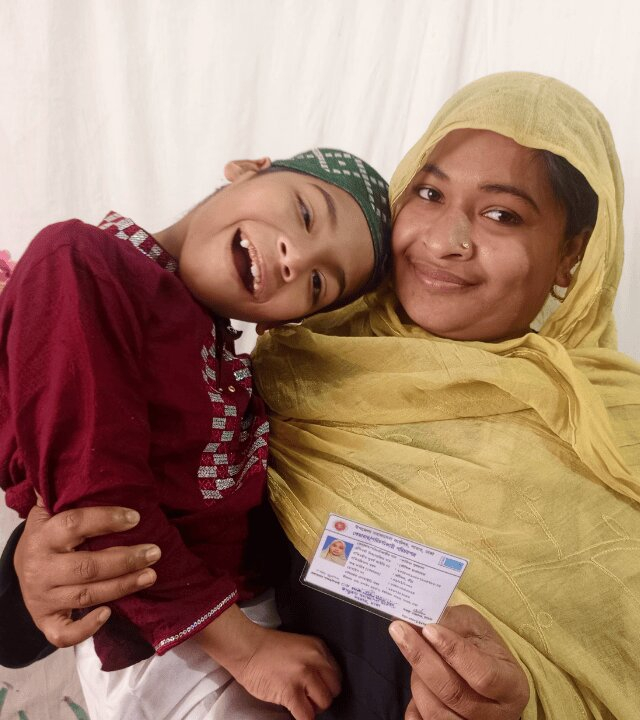
“I showed my ID card at a government hospital and was able to get medical treatment quickly. For the first time in my life, I received such respect and prompt treatment."
Recognition That Changes Lives
For many carers, the ID card has brought not only practical support but also a profound sense of dignity. Being formally acknowledged as an unpaid family carer, often for the first time, has shifted how they are treated within their families, communities, and public institutions.
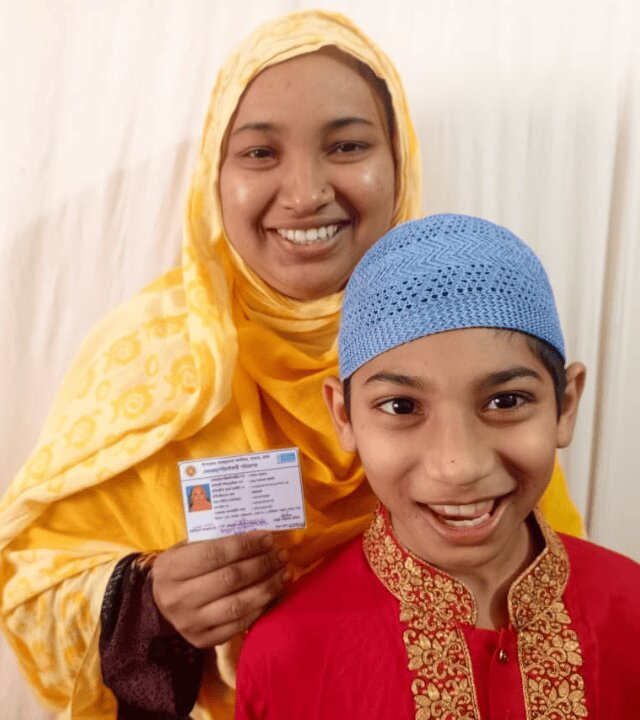
“My Carers ID Card is not just a card. It is the identity of my new life. Within my family and society, I was without recognition. Now, my value and recognition within my family have increased."
The benefits extend beyond healthcare. Carers have used their ID cards to access services more efficiently in other settings too. Khadija told us: “I went to the bank for our Carers Group banking and showed my Carer ID Card. Bank officials completed my work quickly. At first, I was very doubtful about what they would say if I showed this card. But when they saw the card, I noticed the respect in their eyes. One card has made my life much easier.”
These stories reflect a wider truth: recognition of carers is key. It validates their role, reduces barriers, and helps them navigate essential services with greater ease and confidence.
Part of a Growing Movement Across South Asia
The introduction of Carers ID Cards in Bangladesh builds on a series of advocacy wins across the region. In Karnataka state, India, our work has contributed to the establishment of a Carers Allowance and the implementation of Carers Groups by the state, which are modelled on our Carers Groups. We have also seen other states following their lead, with the Government of Delhi implementing a Carers Allowance last year.
These achievements demonstrate what is possible when unpaid carers are heard, supported, and recognised as essential contributors to society.
A Message from Our Founder and Executive Director
Reflecting on the launch of these carers ID Cards, Anil Patil, our Founder and Executive Director shared: “The Carers ID Cards represent a major milestone in our mission to ensure unpaid carers are recognised and supported. This initiative shows what can be achieved when local government and community organisations work together with unpaid carers at the centre. We hope other districts across Bangladesh and beyond will follow this example so that every carer receives the dignity, respect, and practical support they deserve.”
Help Us Reach More Carers
This progress is only the beginning. With your support, we can continue advocating for policy change, expanding practical support programmes, and ensuring that unpaid carers across South Asia are no longer invisible.
Please consider donating to help us continue this vital work. Your contribution can help transform the lives of thousands of carers who give so much yet receive so little support.