India’s 2026-27 Union Budget: A Turning Point for India’s Care Economy - But Where Are Family Carers?

Care is the invisible thread that holds families, communities, and economies together.
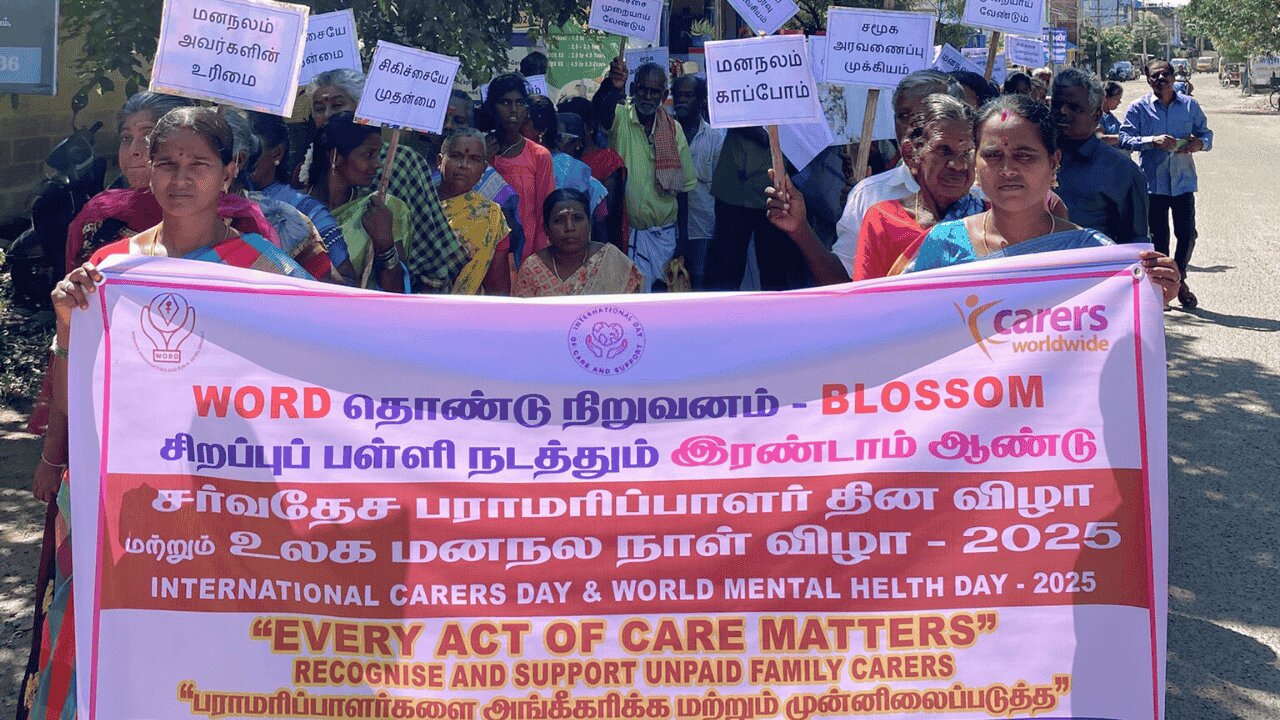
Across India, millions of family members provide care every day to relatives who are older, disabled, living with long term illness or experiencing mental health conditions. They administer medication, assist with daily living, provide emotional support, coordinate medical visits and often sacrifice education, employment and their own well-being in the process.
These individuals are unpaid family carers. They represent India’s largest and most important care workforce.
Yet despite their enormous contribution to society and the economy, these unpaid family carers remain largely invisible in policy frameworks and national investment priorities.
The 2026-27 Union Budget signals an important shift. For the first time, the Government of India has announced plans to train 150,000 paid caregivers, recognising the growing importance of the care economy. This reflects an emerging understanding that care is not only a social issue but also an economic and development priority.
From the perspective of Carers Worldwide, this is a welcome and necessary step. However, it also highlights a critical gap. While the budget invests in building a future care workforce, it does not yet recognise or support the millions of unpaid carers already sustaining India’s care system.
This raises an important policy question.
If the government is investing in training paid caregivers, when will it recognise and support the millions of family carers who already provide care every day?
The Care That Keeps India Moving
Across India’s cities, towns, and villages, caregiving is woven into everyday life.
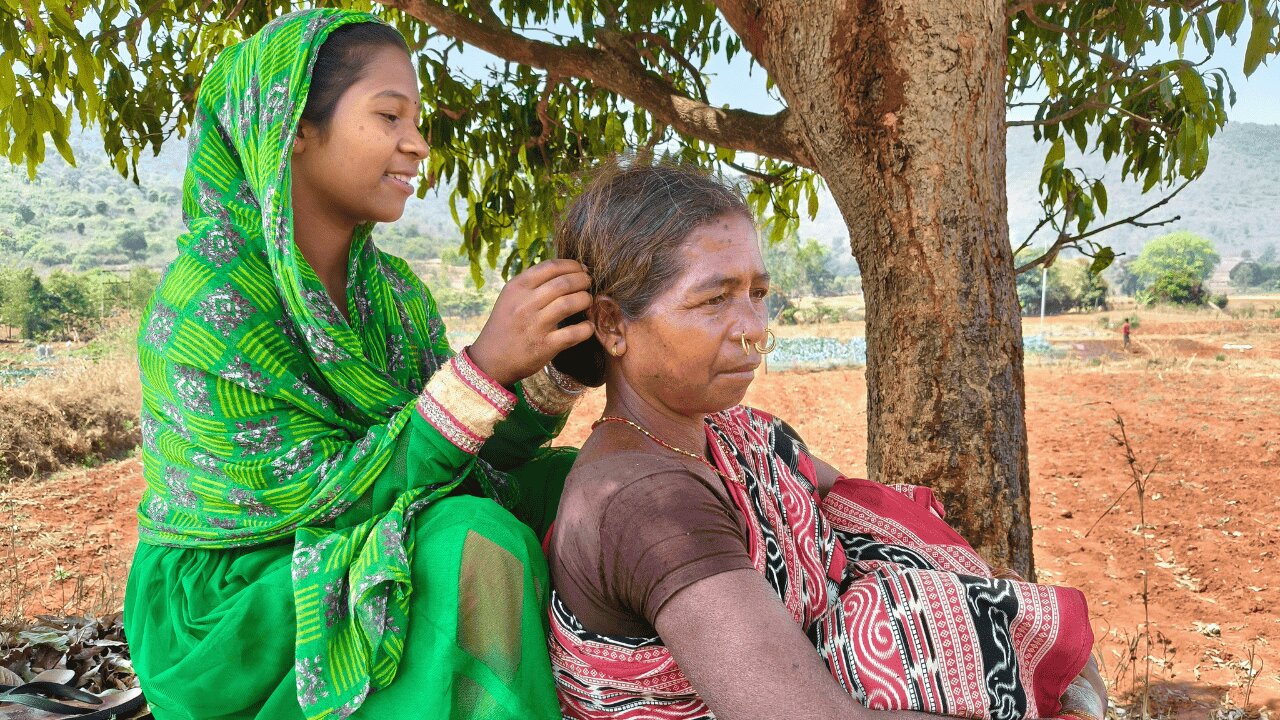
A daughter wakes before sunrise to help her mother with dementia get ready for the day. A husband balances work with caring for his wife who has been diagnosed with Schizophrenia. A teenage son helps his father, who has a disability, travel to hospital appointments.
These stories are not unusual. They are the reality of millions of households.
Most of this care happens behind closed doors and is rarely counted in economic statistics. Yet without it, the health care system would simply not function.
Research estimates that the value of unpaid care and domestic work in India may equal between 11% and 27% of the country’s GDP. That is potentially worth tens of trillions of rupees every year.
Unpaid carers are the backbone of the health care system. Without them, families would collapse and public services would be overwhelmed.
Despite this enormous contribution, unpaid family carers remain largely absent from policy discussions, national budgets, and economic planning.
A New Signal in the 2026–27 Budget
Against this backdrop, the 2026–27 budget introduces a significant development: a national initiative to train 150,000 paid caregivers.
The programme aims to develop a multi-skilled caregiving workforce, with training that includes:
- geriatric care
- use of assistive and medical devices
- wellness and rehabilitation practices
- basic allied health competencies
- community level care support
The initiative is aligned with India’s National Skills Qualifications Framework, indicating that caregiving is beginning to be recognised as a formal profession and employment sector.
For the first time, caregiving is entering the national conversation as a skilled profession.
This is an important shift.
India is experiencing rapid demographic and social change. The population is ageing, non-communicable diseases are increasing, and families are becoming smaller and more geographically dispersed. These trends are placing greater pressure on households to provide care.
Developing a trained care workforce could help address some of these challenges by strengthening home-based and community-based care services.
Why This Matters for the Future
Recognising caregiving as a profession has several potential benefits.
First, it could improve the quality of care available to older persons and people with disabilities.
Second, it could create new employment opportunities, particularly for women, who already perform most care work in society.
Third, it signals that policymakers are beginning to understand the importance of the care economy -the network of paid and unpaid work that sustains human well-being.
Around the world, governments are increasingly recognising that investing in care is not only a social policy, but also an economic strategy.
When we invest in care, we invest in people, productivity, and prosperity.
However, recognising care as an economic sector is only one part of the story.
The Missing Piece: Unpaid Family Carers
While the new training initiative is welcome, it does not directly address the reality faced by millions of unpaid family carers. This is a major policy gap.
In India, families remain the primary providers of care. Professional care services are limited, and social protection systems rarely acknowledge the role of unpaid family carers.
This means that family members often face:
- financial strain
- social isolation
- limited access to respite or support services
- mental health stress
- lack of recognition by services
- difficulties balancing care with employment
For many carers, caregiving is not a choice but a necessity.
Family carers do not work fixed hours. Their role is continuous, often invisible, and rarely recognised.
Women are particularly affected.
Studies show that women in India spend six times more time on unpaid care work than men. This unequal distribution of care responsibilities has a direct impact on women’s employment, education, and economic independence.
Without addressing unpaid caregiving, policies aimed at improving gender equality and labour participation will always face structural barriers.
Looking Back: Care in Previous Budgets
Historically, India’s national budgets have focused on areas such as:
- healthcare infrastructure
- medical education
- insurance schemes such as Ayushman Bharat
- maternal and child health programmes.
While these initiatives are important, caregiving itself has rarely been mentioned.
Some childcare policies such as workplace crèches have appeared occasionally. However, care for older persons, people with disabilities and those with chronic illness has received far less attention.
The 2026–27 announcement on paid caregiver training therefore represents one of the first times caregiving has entered the national budget conversation.
This is a meaningful shift, but it is only the beginning.
Why Recognising Unpaid Carers Matters
If India is to build a sustainable health and social care system, it must recognise a simple reality:
Every trained care worker is supported by a network of unpaid family carers.
Professional services cannot replace family care. Instead, they must work alongside it.
Recognising unpaid family carers would mean:
- acknowledging their contribution
- ensuring they are not pushed into poverty or ill health
- providing practical support that enables them to continue caring
Many countries have already begun to take steps in this direction, introducing policies such as:
- carers’ allowances
- respite services
- flexible working arrangements
- peer support networks
- mental health support
- access to training and information
These measures recognise that supporting unpaid family carers is an investment in the resilience of families and communities.
A Vision for India’s Care Economy
India has an opportunity to become a global leader in building an inclusive care economy.
The new caregiver training initiative could be the foundation for a broader transformation.
But to achieve this, policymakers must move beyond workforce development and adopt a comprehensive national care strategy.
Such a strategy could include:
- Recognising unpaid family carers
Through policy frameworks and inclusion in health and social welfare systems. - Providing direct support
Such as financial assistance, respite care, and peer support networks. - Strengthening community-based services
Including Community Caring Centres, rehabilitation services, and accessible assistive technology. - Professionalising the care workforce
With fair wages, clear career pathways, and high-quality training. - Integrating care into economic policy
Acknowledging that the care economy is a critical pillar of sustainable development.
The Moment to Act
India stands at a crossroads.
The country’s demographic changes mean that the need for care will only grow in the coming decades. At the same time, economic growth and social transformation create opportunities to reimagine how care is valued and supported.
The 2026–27 budget signals that the conversation has begun.
But the real transformation will happen when family carers themselves become visible in policy and planning.
Behind every statistic about ageing, disability, or illness, there is a family carer holding everything together.
Recognising and supporting them is not simply a matter of compassion. It is essential for building a healthier, more equitable, and more resilient society.
A Call to Recognise the Invisible Workforce
At Carers Worldwide, we believe that unpaid family carers deserve recognition, respect, and support.
The paid caregiver training initiative announced in the 2026–27 budget is a welcome step towards acknowledging the importance of care.
But it must also become the starting point for a wider national commitment to the people who provide care every day to their loved ones.
Because when unpaid family carers are supported, families are stronger, communities are healthier, and economies are more inclusive.
Care is not a burden. It is a foundation that deserves to be seen, valued, and supported.