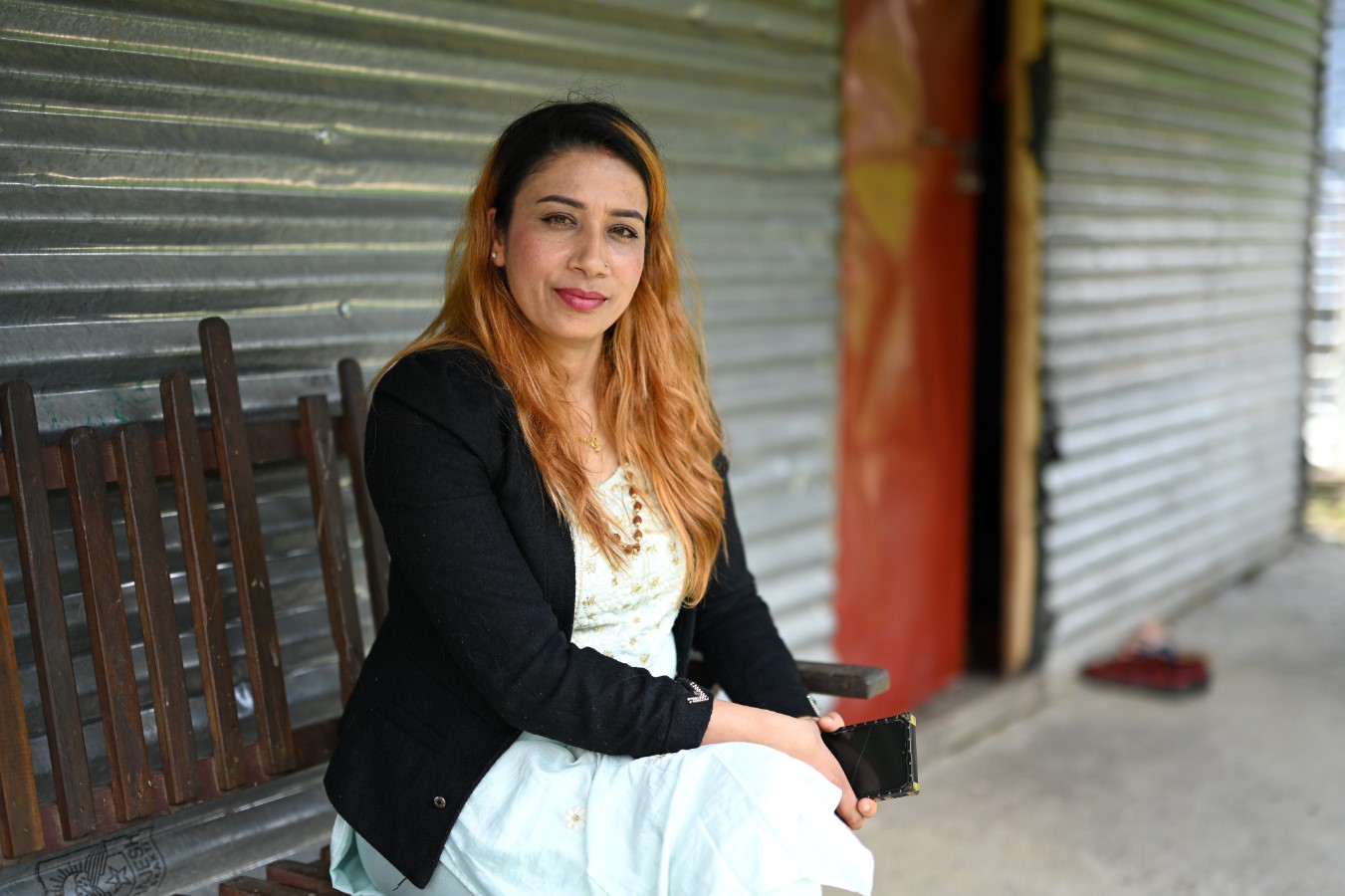
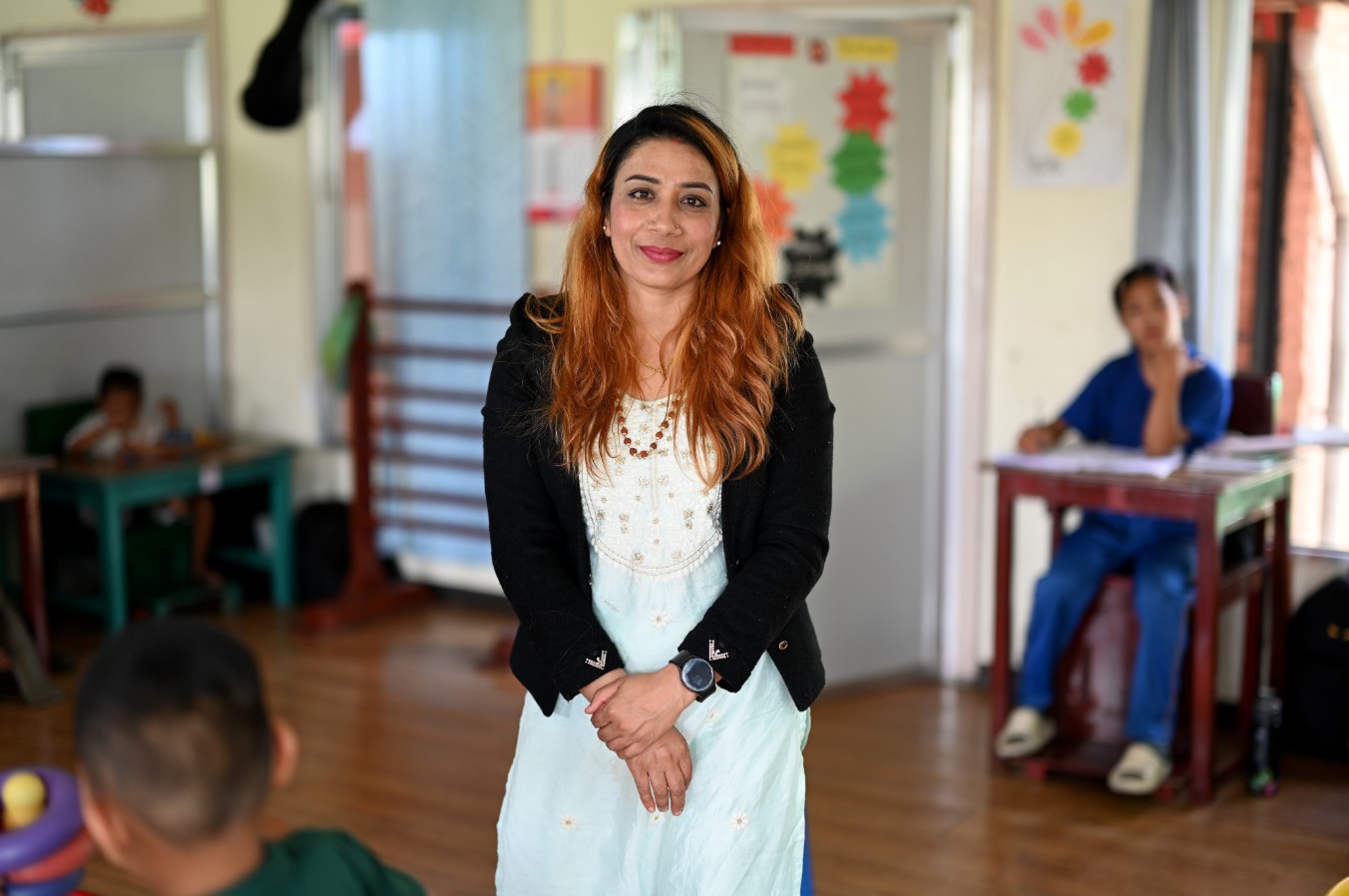
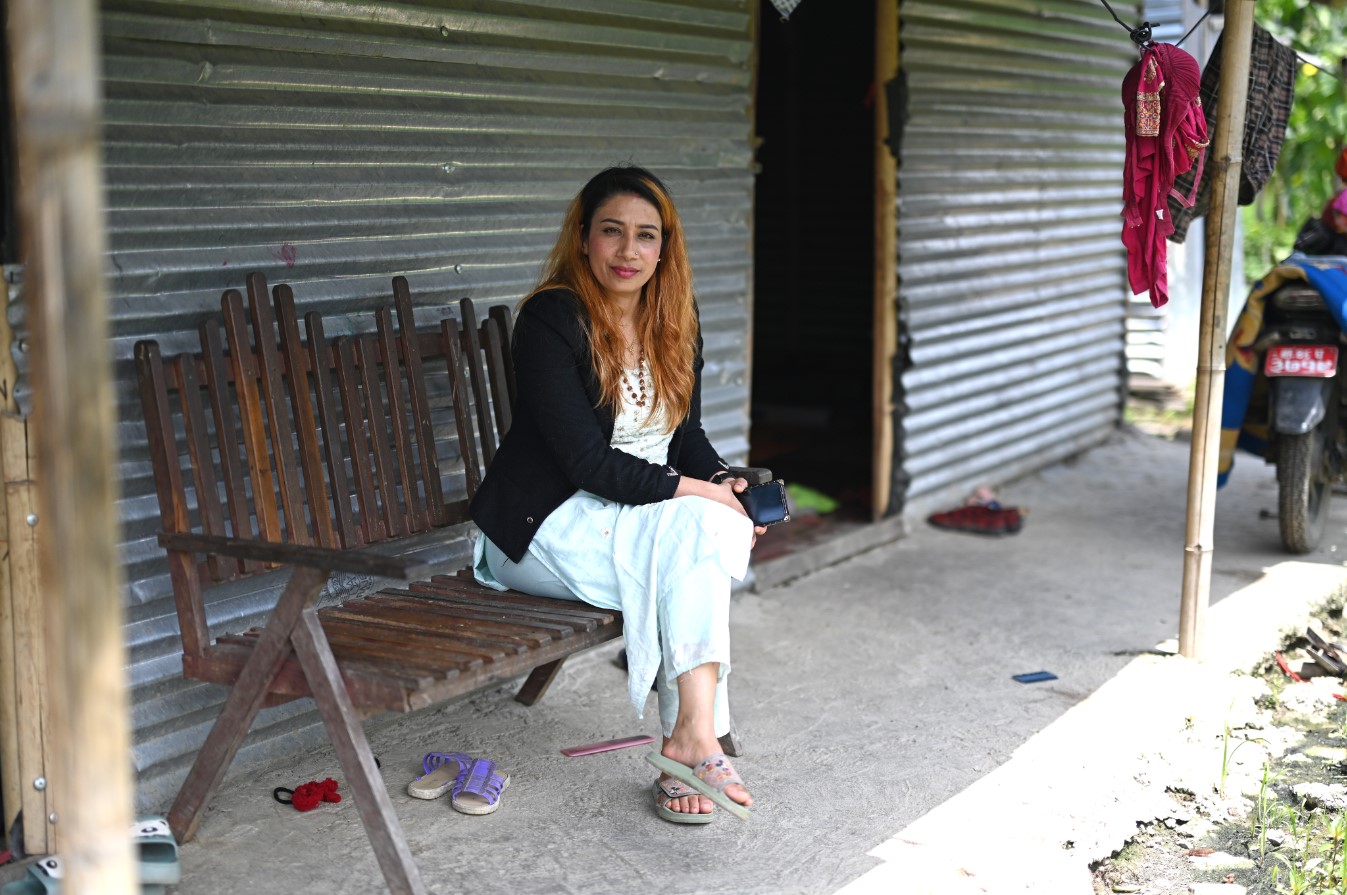


Jyoti Khatiwada
“I am the mother of a son with cerebral palsy, and only those who walk this path know the weight of the journey we carry. It is a quiet, relentless struggle.
No parent can foresee such a life. We don’t know when we are holding our newborn child that the future will be laced with challenges no one could predict. When the doctor first spoke those words - cerebral palsy - it felt like my world broke to pieces. There is no preparation for the heartbreak that follows. The pain is too deep, too vast to contain in words.
You find yourself spiralling in constant fear for your child’s future. As parents, we want the best for our children, but when society - sometimes even family - looks at your child differently, asking why this happened or if it was somehow your fault, it is devastating. The whispers, the sideways glances - they push you further into isolation. I’ve felt that weight on my heart, and it’s something no one should carry alone.
Even as people now accept my son, integrating him into everyday life is another battle. He uses a wheelchair and needs special care, and public transport is out of the question. The expense of taxis, the effort it takes just to attend a simple event - it all feels overwhelming. And when we do go, we can’t stay long. His intellectual disabilities make it hard to navigate the world, and yet, we try. We try because what other choice do we have? Whether we leave him at home or take him with us, every decision is fraught with challenges, no matter how much society tries to help.
More than anything, I want my son to experience life in full, without the constant limitations placed on him by his condition. I dream of him participating in every cultural and social event, not as an outsider but as a part of our community. But taking him everywhere isn’t always possible. I haven’t been back to my hometown in three years because I fear it won’t be kind to him. He’s accustomed to his daycare now, and I can’t lock him away inside the house.
My husband is in Australia, and as yet, because of our son’s condition, we’ve been unable to reunite as a family. If our children were typical, we would all be living there by now. However, the process of bringing a child with cerebral palsy abroad is difficult. One rejection and the door closes. So, we wait, hoping the time will come when we can finally be together.
He’s 10 years old now, my son. And while he cannot speak, I’ve learned that he understands so much more than I ever gave him credit for. There have been countless moments when he has surprised me, like when he was just three, and we attended an event in Dhapakhel. He remembered the exact car we arrived in and refused to get into a different one. During the pandemic, we were in Dhanusha, and the school van passed by our house. It didn’t stop, but my son, only two days into our routine there, already recognised it. He cried when it didn’t stop for him.
He’s particular about clothes too. If someone says, “That doesn’t look good,” he won’t wear it. But if you compliment him, he’ll beam and wear it proudly. These small glimpses into his preferences, his understanding - they fill my heart in ways I can’t describe.
But the hardest part is his mobility. He can’t sit up on his own for long. Whenever we go somewhere, we have to carry mats, pillows, everything. He can’t tolerate the wheelchair for too long, so even travelling with him is a feat of planning and patience.
When he was born, he was premature, just seven months, weighing only 2 kilograms. I had a normal delivery, and at first, everything seemed fine. I don’t believe there was any negligence. Many babies born at that weight grow up just fine, but by the time he was 8 months old, the diagnosis was clear. I remember the day the physiotherapist finally said the words “cerebral palsy.” My husband and I were devastated. For days, we didn’t speak. There were no words.
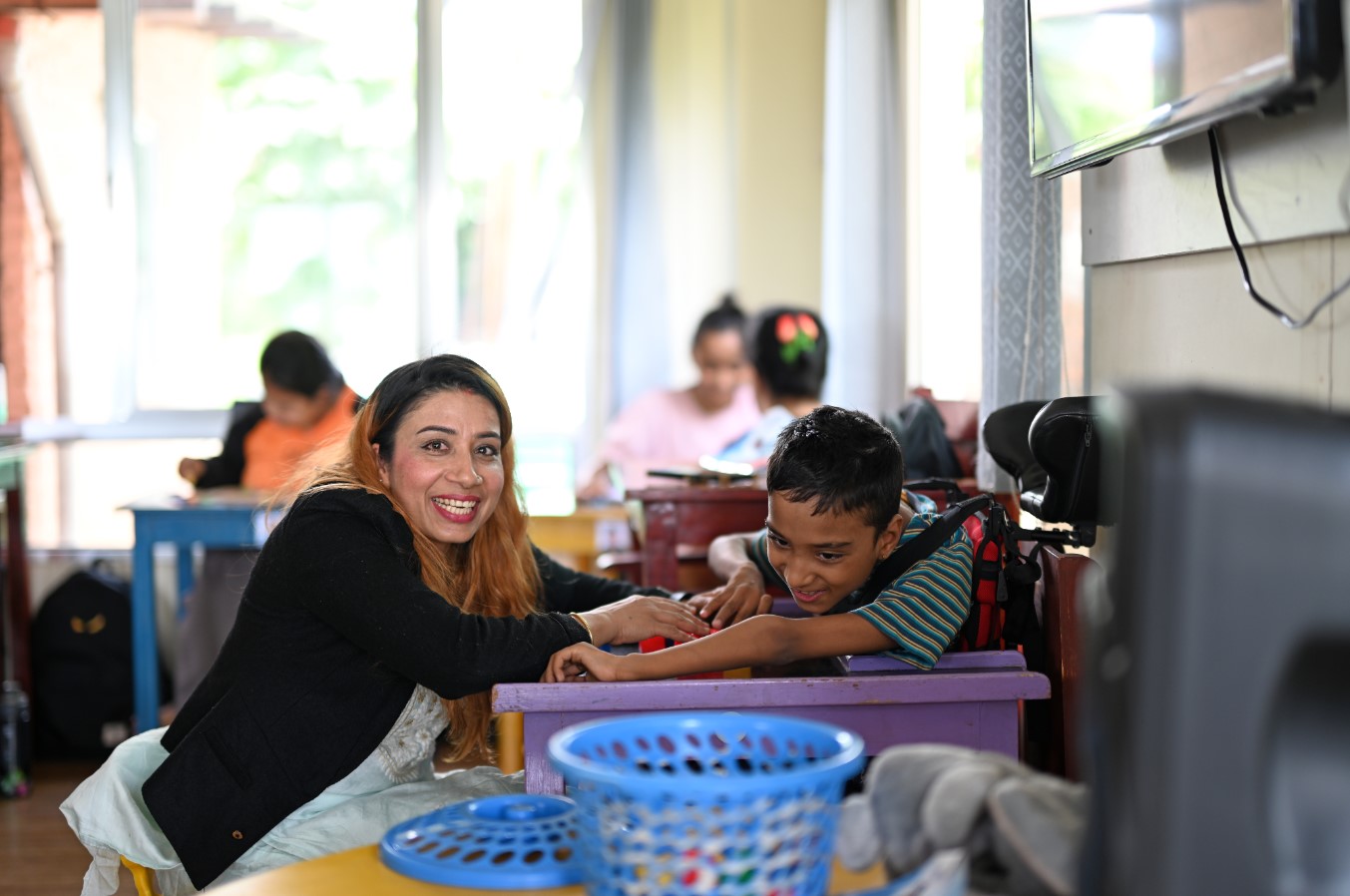
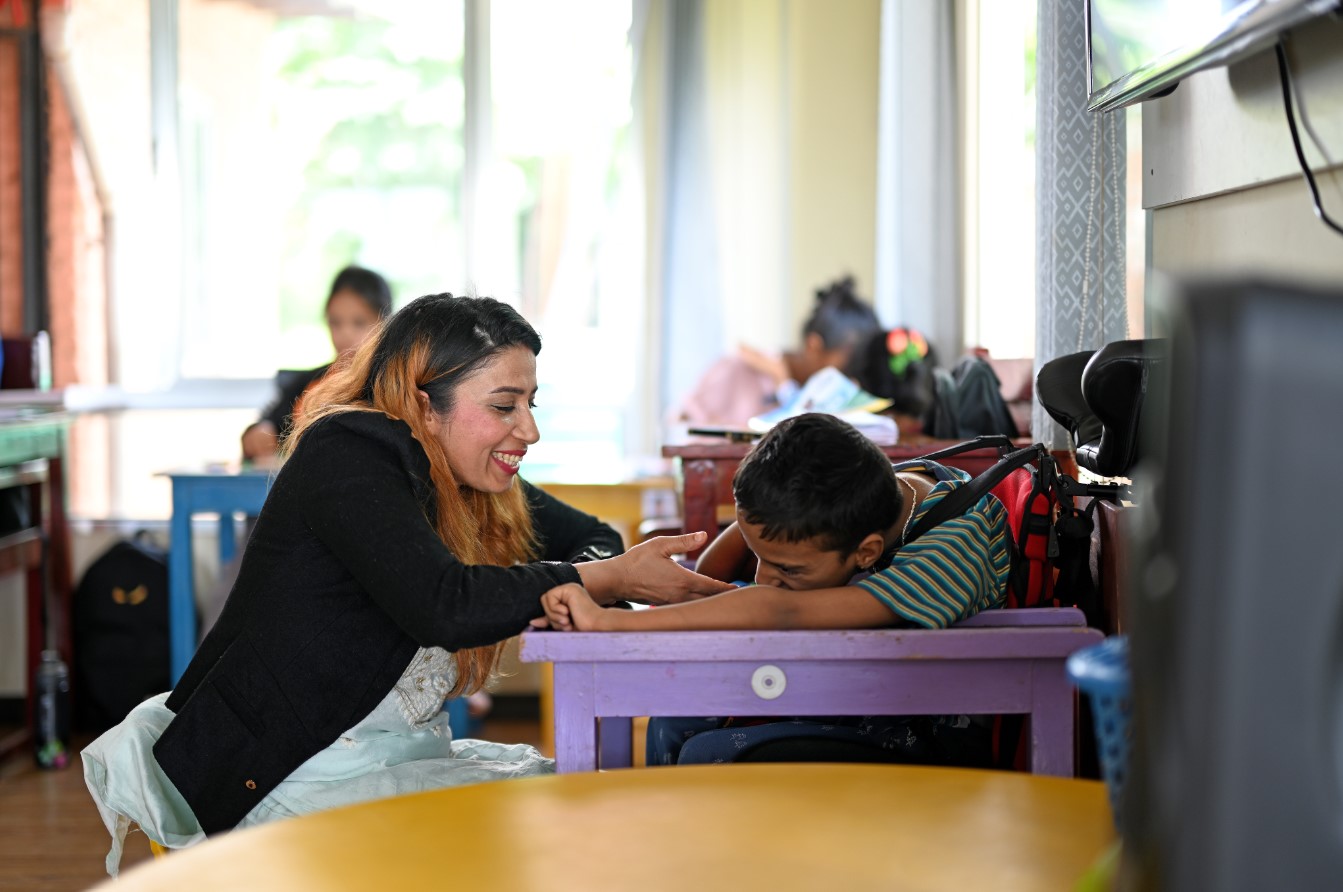
But slowly, I found my way forward. I sought help at the organisation Self-help Group for Cerebral Palsy (SGCP) in Dhapakhel, where I learned more about cerebral palsy. Then, when my son turned three, I joined a programme they run called ‘Care for Carers’. There, I met other parents - many of them overwhelmed, just like me. I watched as they cried, weighed down by their own struggles, and I realised we all had a choice to make. Also after volunteering in their Community Caring Centre for seven years, now I am a paid member of staff and it has helped me earn some income that otherwise would have been a challenge. Either we change the situation or we learn to accept it. I chose acceptance.
I couldn’t change my son’s condition, but I could change how I approached it. My focus shifted. I dedicated myself to making his life as comfortable as possible, knowing that no matter how many obstacles we face, I have to keep going. It’s my reality, and I decided to meet it with strength.
Through this journey, I also found a passion for helping other mothers. I’ve met so many brilliant, educated women who feel stuck in their circumstances. I felt compelled to inspire them. I even wrote and released a song - a tribute to the mothers who, like me, are navigating this difficult path. I told them, “Crying won’t solve anything. We have to keep moving forward.” One woman, highly educated, had given up hope. But after hearing my words, she found the courage to regain her independence, even riding a scooter for the first time. That’s the power of acceptance.
We have to believe in ourselves. Some parents feel ashamed to take their children out in wheelchairs, but I say, hold your head high. We are stronger than we realise, and our children deserve a place in the world, just like anyone else. If society could understand the challenges we face, it would make all the difference.
I don’t see a bright future for children like mine in Nepal, and that thought haunts me. But we can’t give up. The government needs to provide inclusive education, create systems that support children with disabilities, and give them the tools to thrive.
And yet, I’m not alone. I’ve never been alone. Family has been my lifeline, their support is crucial for my mental health. Caregiving is draining, and without moments to care for me - whether through meditation or simple moments of quiet - I wouldn’t be able to keep going. We need to stay strong, for our children and ourselves.
This is my story, but it is also the story of so many mothers like me. We rise, we adapt, and we keep going because we have to. Our children deserve nothing less.”


