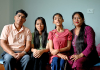
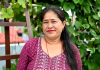
Sushila Malla
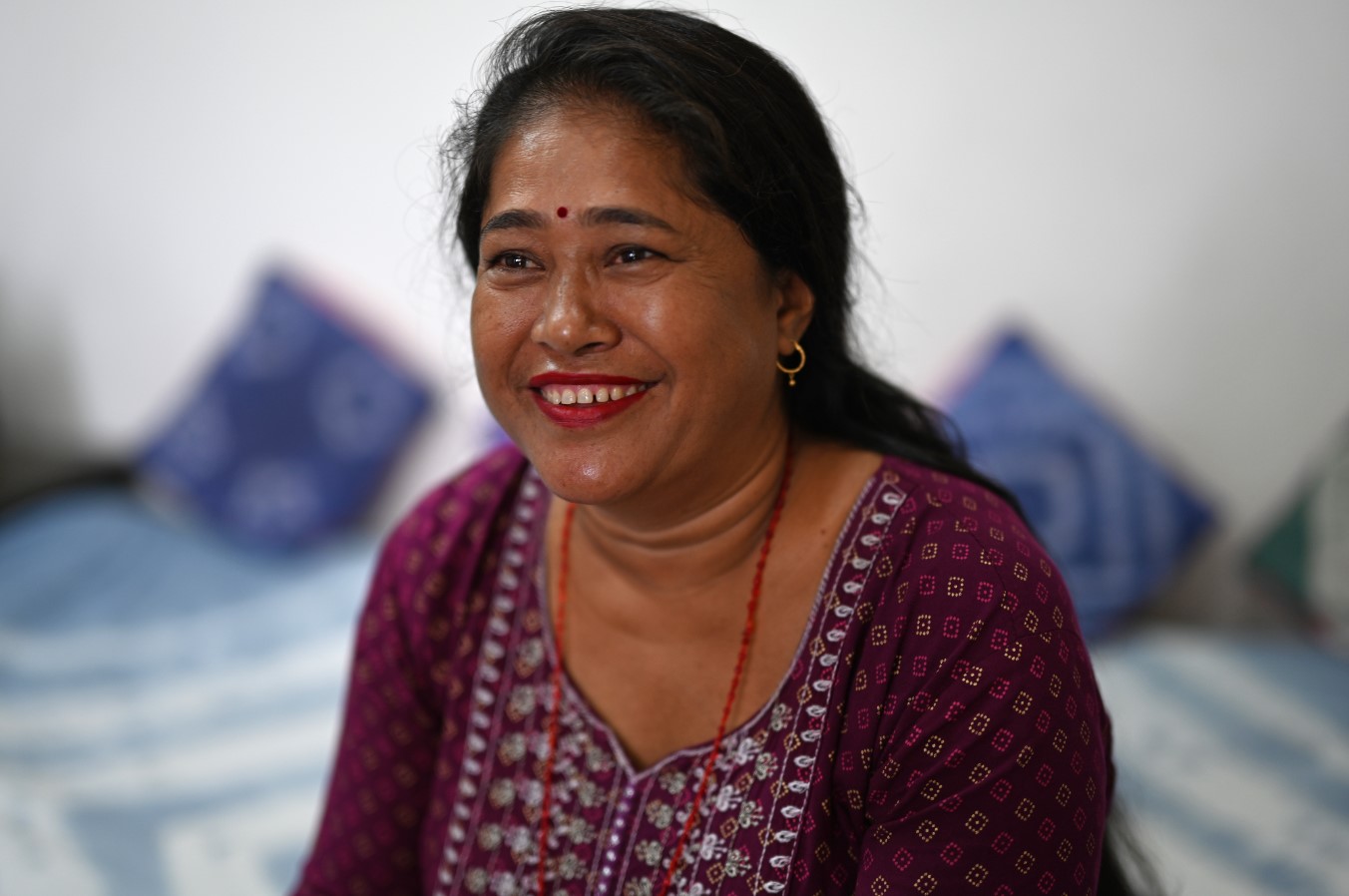
“I was born in 2033 BS (1976), the daughter of a teacher in Gorkha, where life was simple but full of love and the lessons of resilience my father imparted to us. I grew up with three brothers and two sisters, and we all found our way to Kathmandu for better lives. I, too, came here as a young woman to pursue my education, completing my master's degree. It’s been over 30 years since I first arrived, and life has taken me down roads I never imagined.
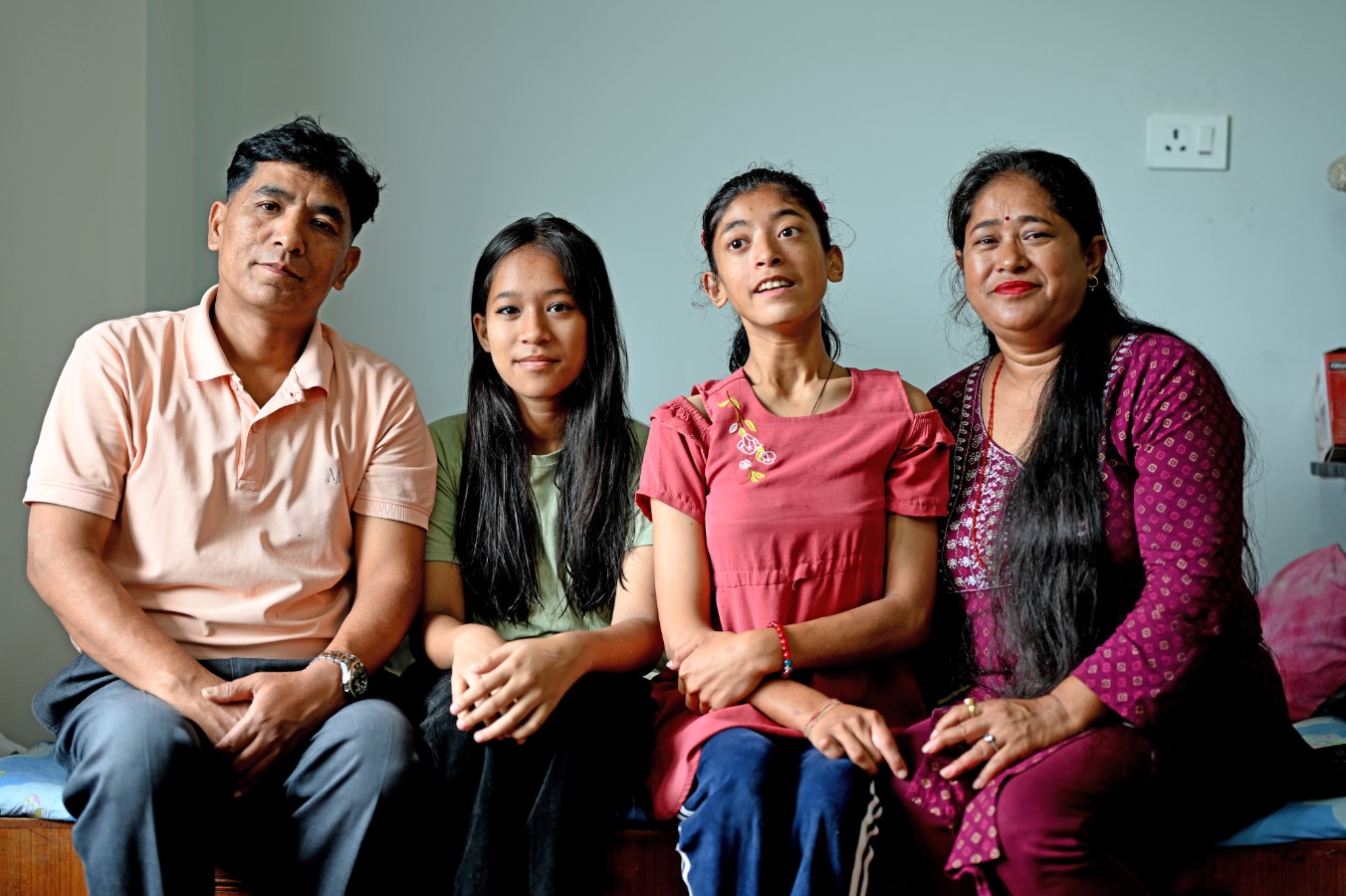
My marriage to Ramkaji Shrestha was arranged, a traditional ceremony with the joyous sounds of the ‘panche baja’ filling the air as we wed in our village. I was studying at the time, and my husband worked as a teacher in Manang. We lived apart for a while, focused on building a future. We bought a small piece of land in Kathmandu, and after years of renting, struggling, and saving, we finally moved into a home of our own - 30 years later.
When our first child was born, I thought life couldn’t be more perfect. It was a planned pregnancy, and I had taken every precaution and followed every doctor’s advice. But the day our daughter was born, something shifted. She came into the world silently - no cry, no wail of life announcing her arrival. The doctors rushed her to the ICU, mentioning oxygen deficiency. I was left empty-handed and terrified. For days, I couldn’t hold her, couldn’t feel the weight of her in my arms, only the weight of fear growing in my heart.
Five days later, they let me feed her. They said she was fine, but in the same breath, they warned us of ‘issues’ that might come. I clung to hope, celebrated her first festival, and watched her crawl at three months, thinking maybe, just maybe, everything would be alright.
But it wasn’t.
She grew weaker as the months passed, and by her first birthday, she still couldn’t walk. I heard the whispers from neighbours, the cruel questions: "Why isn’t your daughter walking yet?" I brushed them aside, telling myself she was just a late bloomer. But deep down, I knew something was wrong. When she had her first seizure at two years old, my world collapsed. We rushed her to Kanti Hospital, and I prayed, and prayed that this was all just a bad dream.
The doctors gave us no clear answers. They scribbled ‘CP’ on her medical report and sent us away. No one explained what it meant. So, I took it upon myself to find out. I spent hours in cyber cafes, looking up what CP - cerebral palsy - meant for my daughter. When the realisation hit, I was crushed. This wasn’t something that could be cured. This was her life now, and mine too.
But even in that moment of devastation, I found strength. I had to. I kept the diagnosis to myself, unable to burden my husband with the truth. I had to be strong for both of us, for our family. I focused on getting her the therapy she needed, the exercises that might give her a chance. I didn’t have time to grieve; I had to act.
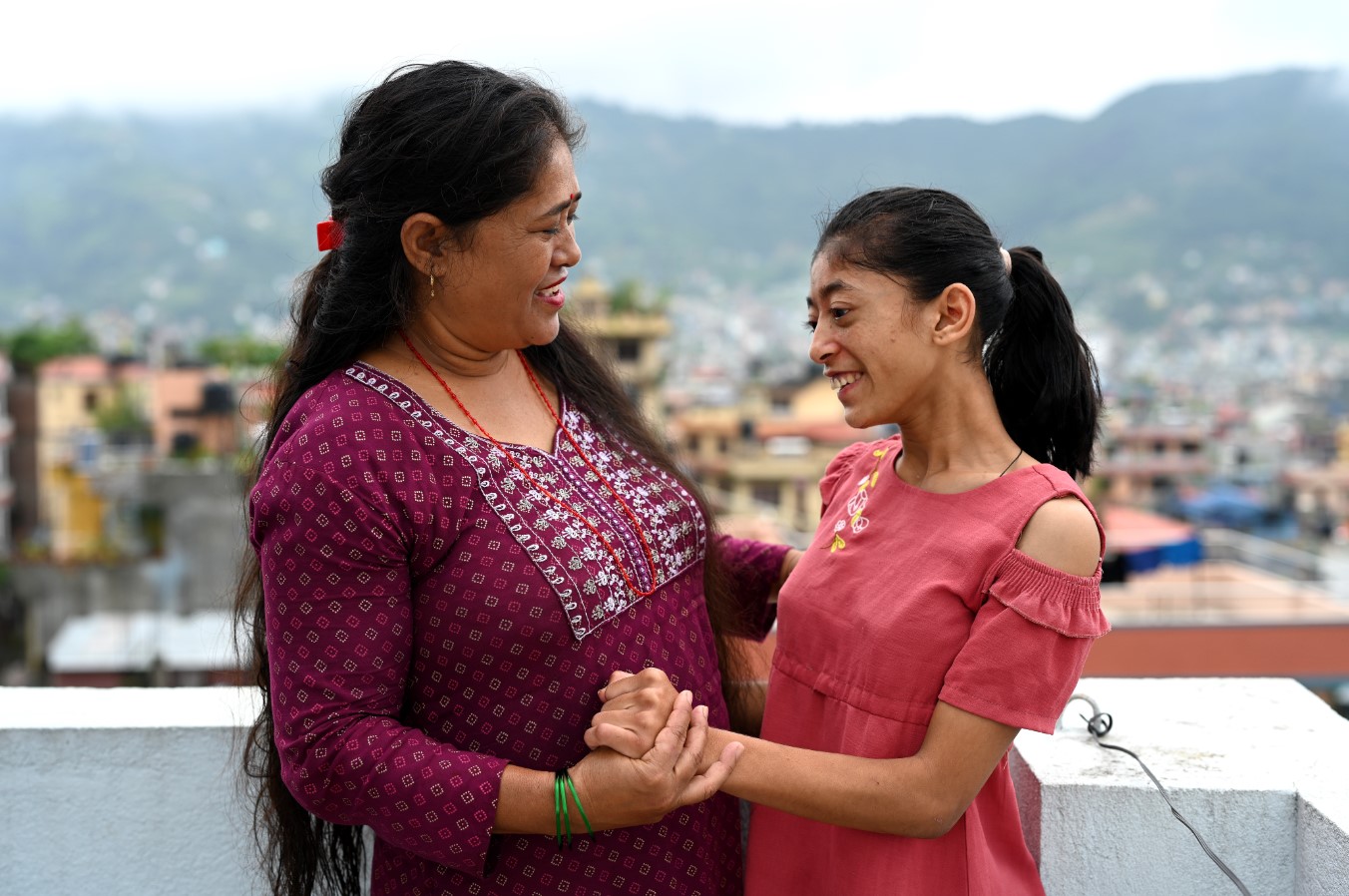
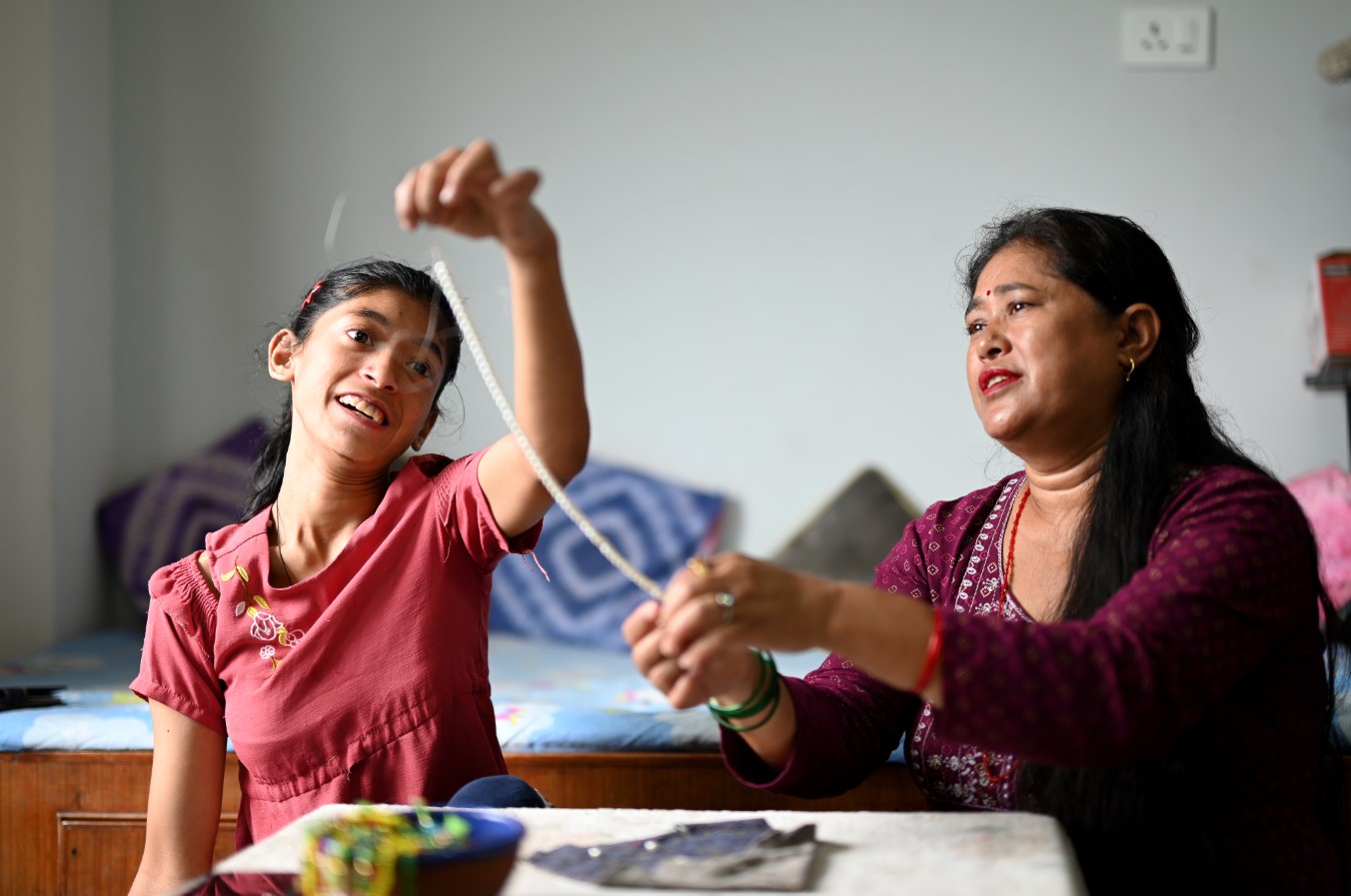
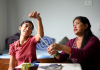
People talked, as they always do. “It’s the mother’s fault,” they said. I learned to ignore them, but their words still stung. My daughter may not walk or run like other children, but she tries. She threads beads with her little hands, and though she can’t fully care for herself, she’s found joy in small tasks like making momo. And I’ve found joy in watching her, in seeing her resilience mirror my own.
In 2072 BS (2016), we parents and carers came together and, with the help of Self-help Group for Cerebral Palsy (SGCP), established a school in Naikap, called the Creative Rehabilitation and Special Education School. After the school started running, I noticed that many parents were depressed. On one of my visits to SGCP, a parent even said, "I wish this child would die before me." They must have spoken out of pain, but that remark struck me. The child may have a disability, but parents also carry their burdens. I realised then that, in a way, it’s the parents who are the real ones suffering.
That’s when I felt I needed to do something to support these parents. I then joined the Caregivers Group in Ravibhawan. After attending various training sessions and meeting many other parents, I came to understand that everyone has problems, and we need to accept them. After that realisation, I stopped crying.
Now, I am leading the Jai Shri Caregivers Group in Ravibhawan, where I am the president. Currently, we have 11 members. During our group meetings, I make sure that everyone gets a turn to share their thoughts. It becomes a space to talk about things we don't understand or know.
And for the first time, I didn’t feel alone. We supported one another, and I realised the true disability wasn’t in our children but in how the world sees them - and us. We are not broken; we are strong, resilient, and full of love.
My journey hasn’t been easy. I was one of three women in my class to pass our master’s degree, but I never got to pursue a career. My daughter’s needs came first, and while I’ve found ways to contribute financially - running a grocery store, wholesaling recharge cards - there is always the question of ‘what if?’. What if I could have done more, for her, for myself?
Even today, as I recover from surgery, I worry about what comes next. But I’ve learned that worry never truly leaves us; it simply becomes part of the courage we carry. My daughter’s condition may never change, but my love for her, my fight for her, remains steadfast.
If only the world could see us. If only the government could recognise the challenges we face. We don’t ask for pity, just understanding and a chance to work, to contribute, and to live with dignity. Until then, we mothers will keep going, because courage is what has brought us this far, and it’s what will carry us forward.”


