
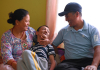

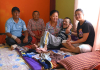
Sangharam Maharjan
“I was 20 when I married my wife. Our mothers, friends and confidantes, arranged it all. A year later, she became pregnant. We were just starting - young broke, and trying to make ends meet. I had opened a small signboard shop to support us, but it barely covered the basics. During her pregnancy, the doctors warned us that her blood pressure was dangerously high. They suggested bed rest, even hospitalisation. But my mother, a traditional woman, insisted it wasn’t necessary. “We worked the fields and still gave birth at home,” she’d say. And so, we didn’t admit her.
Everything changed for us when our son was born in 2050 BS (1993). He didn’t cry like newborns are supposed to. Something was wrong. He was rushed to the ICU, where he stayed for 15 days, his tiny body fighting for life. When we eventually brought him home, he would cry, fists clenched, legs curled. We were scared, but the doctors we visited were dismissive, rough, and uncaring. One of them handled my baby so roughly, that it sparked a deep anger in me. I never took my son back to that hospital.
As months passed, we realised something wasn’t right. He wasn’t developing like other children. His body was always tense, and he struggled to move. We took him to different doctors, and even tried shamans, hoping for a miracle. But none of it worked. It wasn’t until he was almost two that we heard the words that would forever shape our lives: cerebral palsy. There was no cure - just therapy.
When our son was a month old, we followed the tradition of sending mother and baby to her parents' house. And for a while, I stayed alone. I fell into a deep depression, avoiding people, staying indoors, and barely functioning. Sometimes, I’d walk to a cliff near our house, staring into the abyss, wondering if I should just jump. The weight of it all - the financial struggles, the guilt of not helping my wife sooner, the pressure of knowing our son would never live a typical life - it nearly crushed me. I felt so lost, so angry at the world. How could this happen to us?
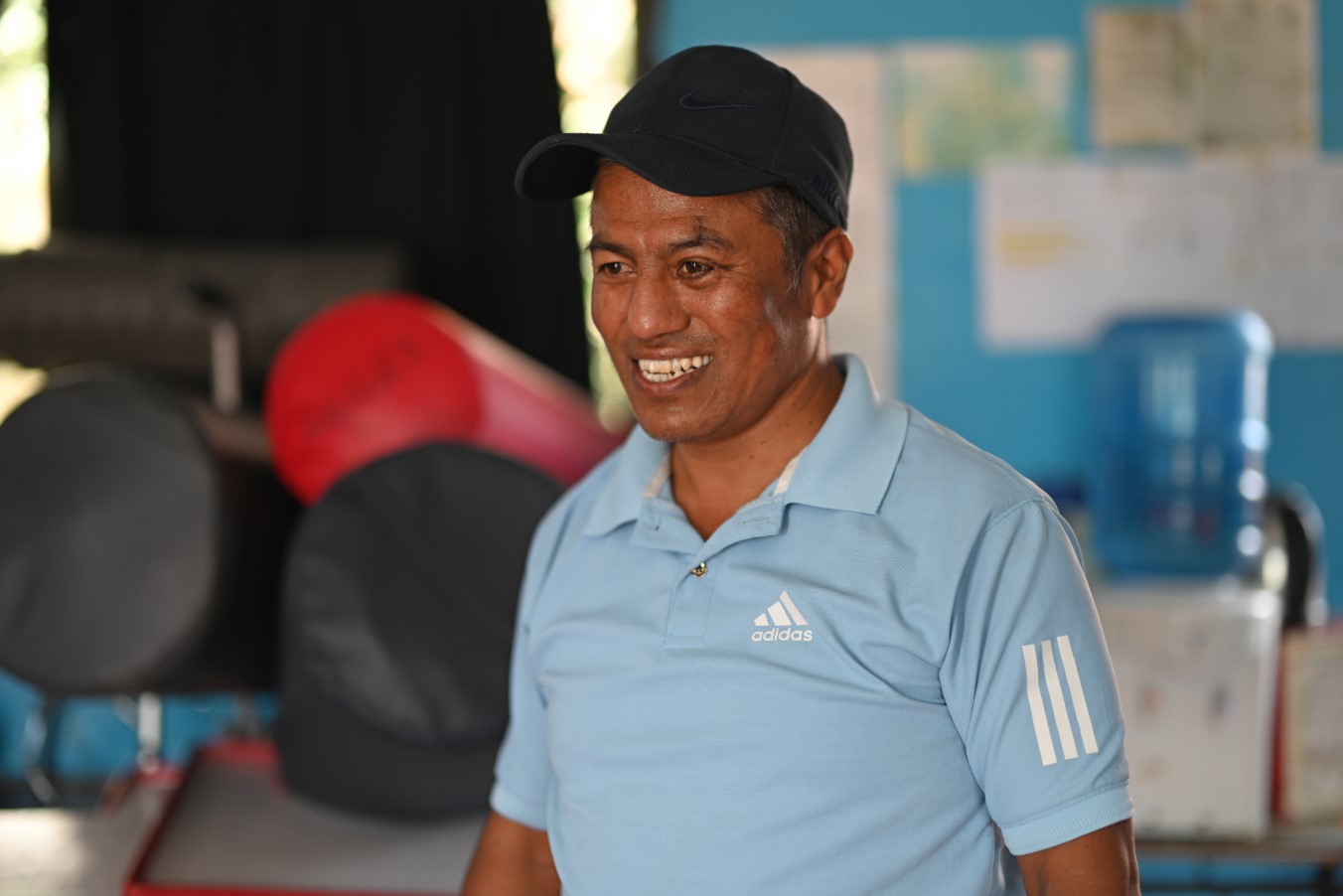
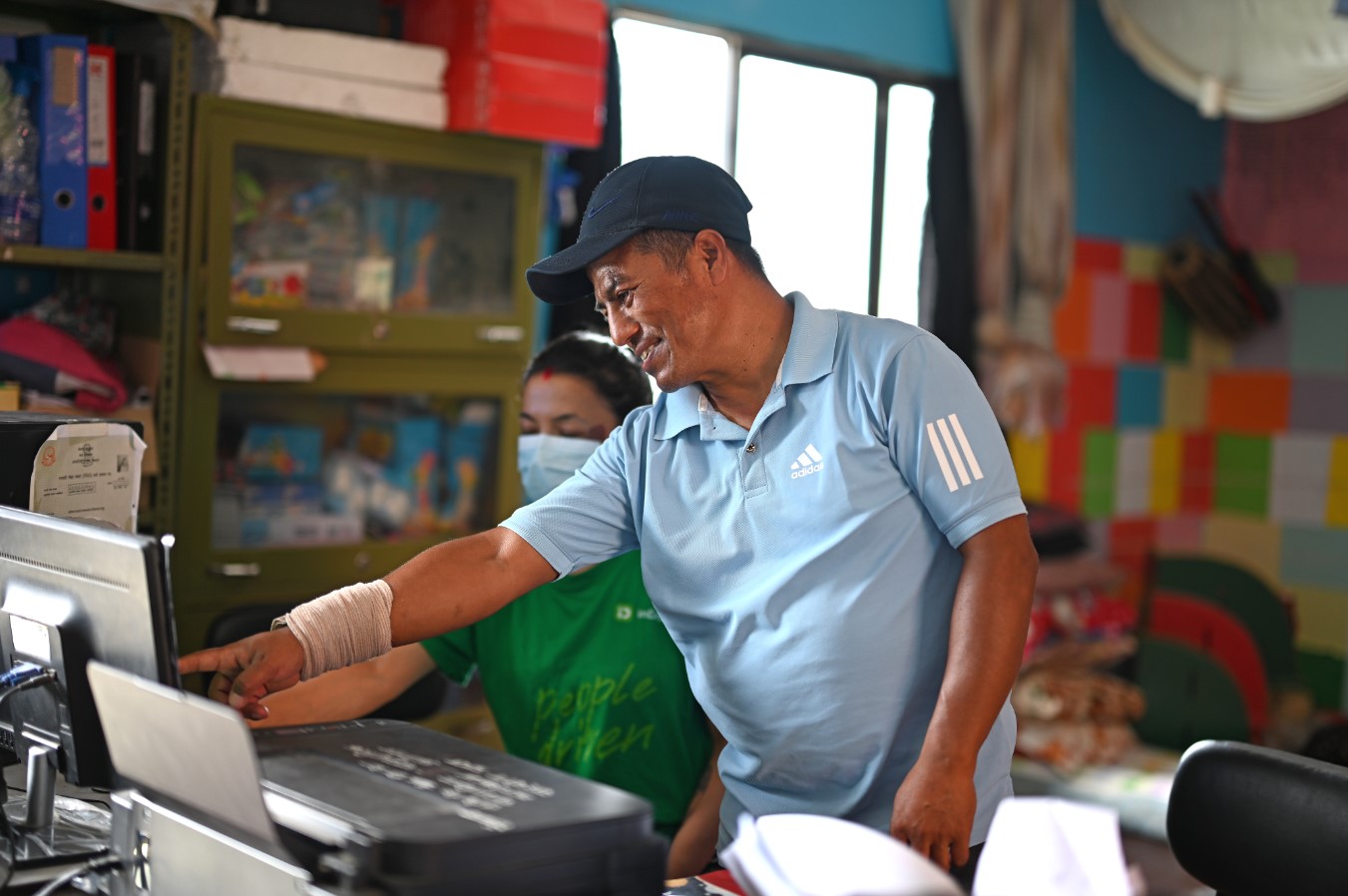
For six months, I lived in that darkness, while my wife stayed with her parents. I didn’t visit. I couldn’t face her or our son. I felt like I had failed them both. But something kept me going. Slowly, I started seeing glimpses of hope. This was after I visited the Self-help Group for Cerebral Palsy (SGCP). I came to discover the good work they were doing by creating groups for parents and carers of children with cerebral palsy. With a group of carers I met through this community, I established a day care centre in 2071 BS (2015), with technical and financial support from SGCP. This centre provided care for children with cerebral palsy and space for their carers to have a break. Later, this same group of carers was converted to one of the Carers Groups through SGCP’s ‘Care for Carers’ project in 2073 BS (2017).
To this day, I am actively involved in my Carers Group and my engagement and my experiences have not only helped other new parents but also me and my family to cope with distress.
It wasn’t easy. We were scammed along the way, lost money to false promises, and were ignored by the state. But we kept going. By 2065 BS (2009), we had formed an association for parents of children with intellectual disabilities. Our day care centre, which is now partially funded by SGCP’s ‘Care for Carers’ project, is still going strong, and today, we have 28 children enrolled in the centre. It’s a small victory in a life full of battles.
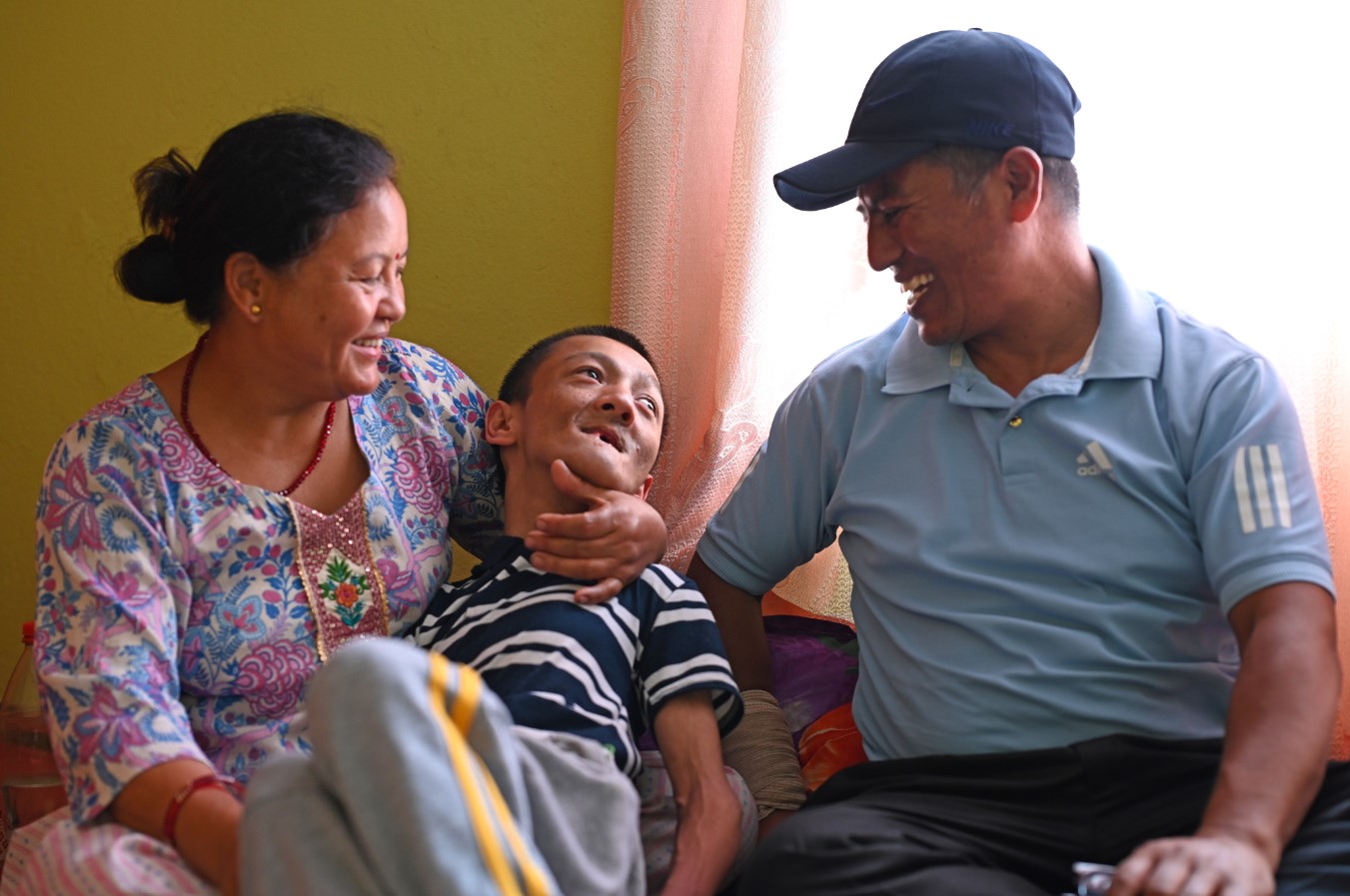
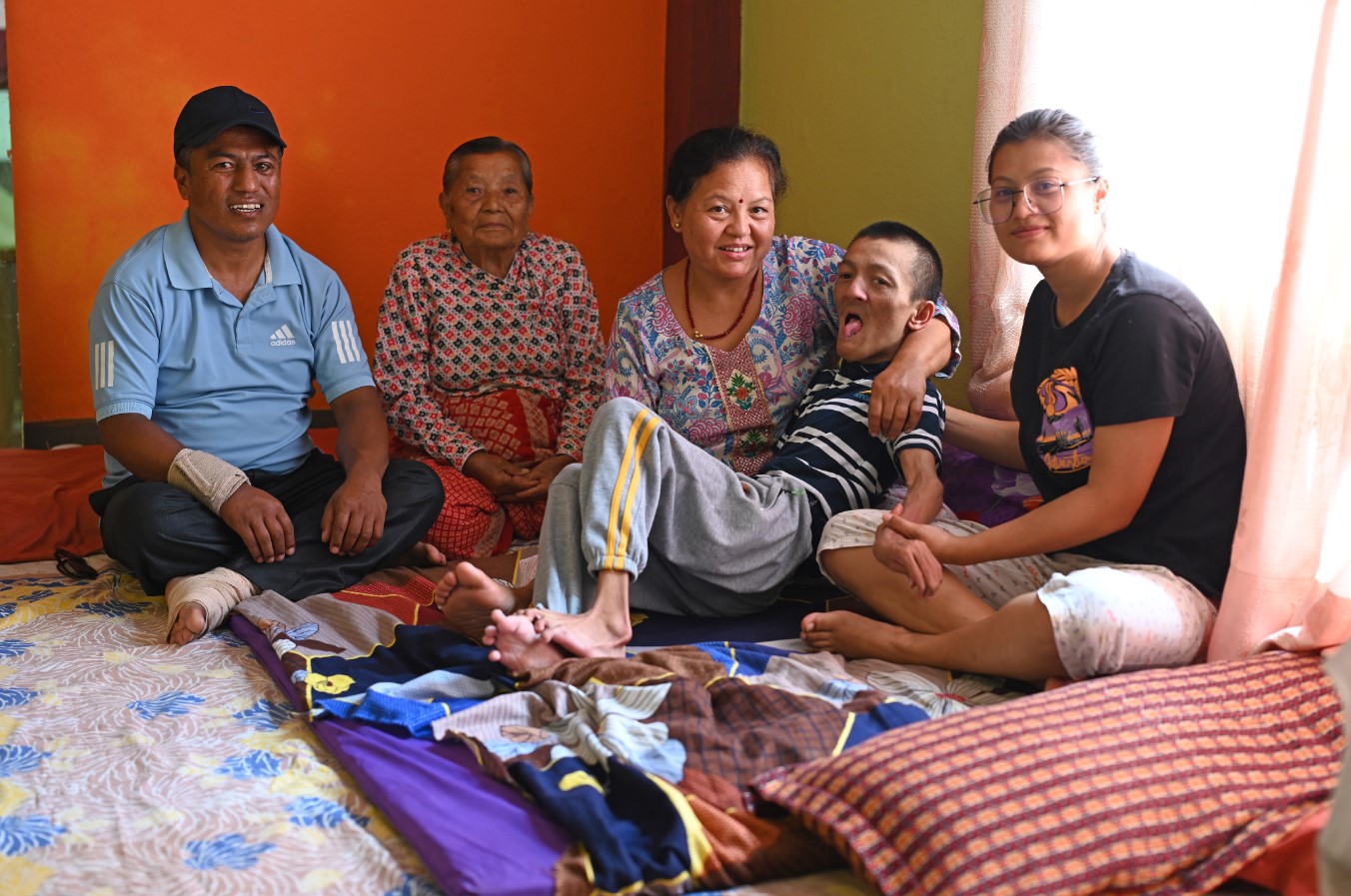
My wife has stood by me through all of this, caring for our son with endless patience. Our two younger children are doing well - our daughter is working in Delhi, and our youngest son is in 10th grade. They all love their big brother deeply, and we’ve taught them that family means showing up for one another, no matter what.
We’ve had to fight for everything - respect, dignity, even basic support for our son. The government hasn’t done enough for families like ours, but I believe that if we come together if we share our stories, we can make a change.
I am still a painter, though not in the way I once imagined. My strokes are no longer just on canvas; they’re in the lives we touch at the care centre, in the love we pour into our son, and in the legacy of strength we leave behind.”


