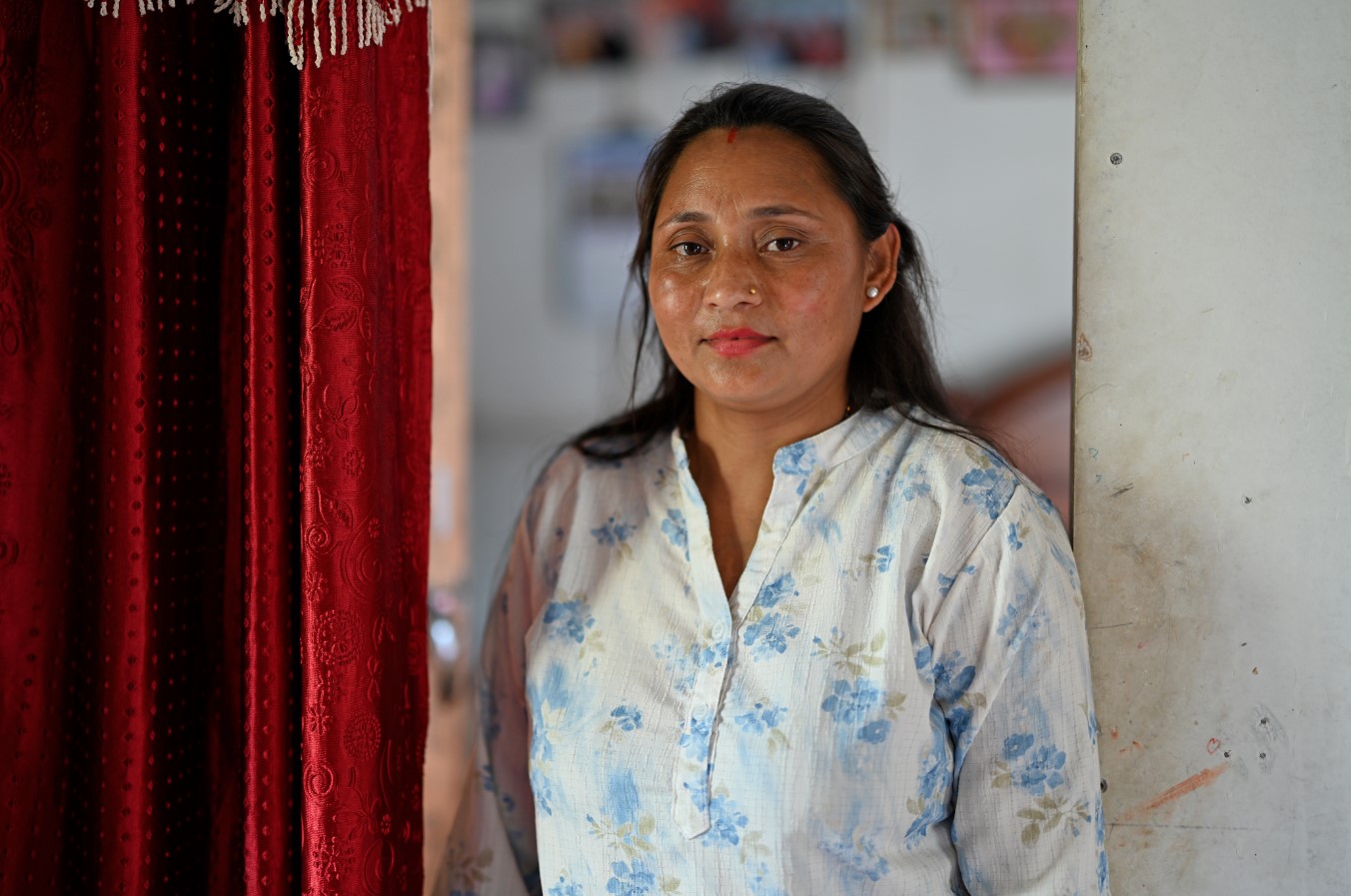
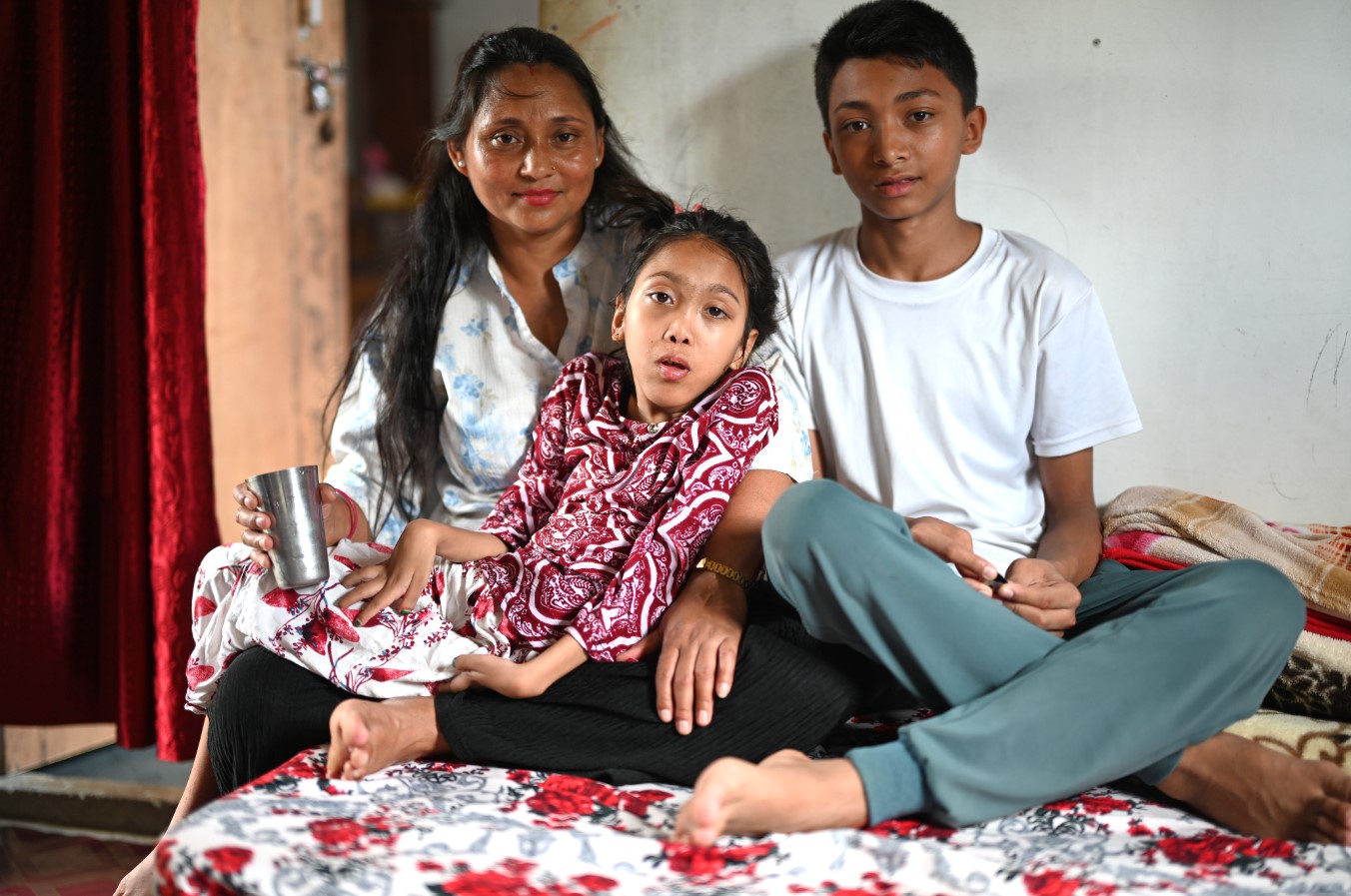
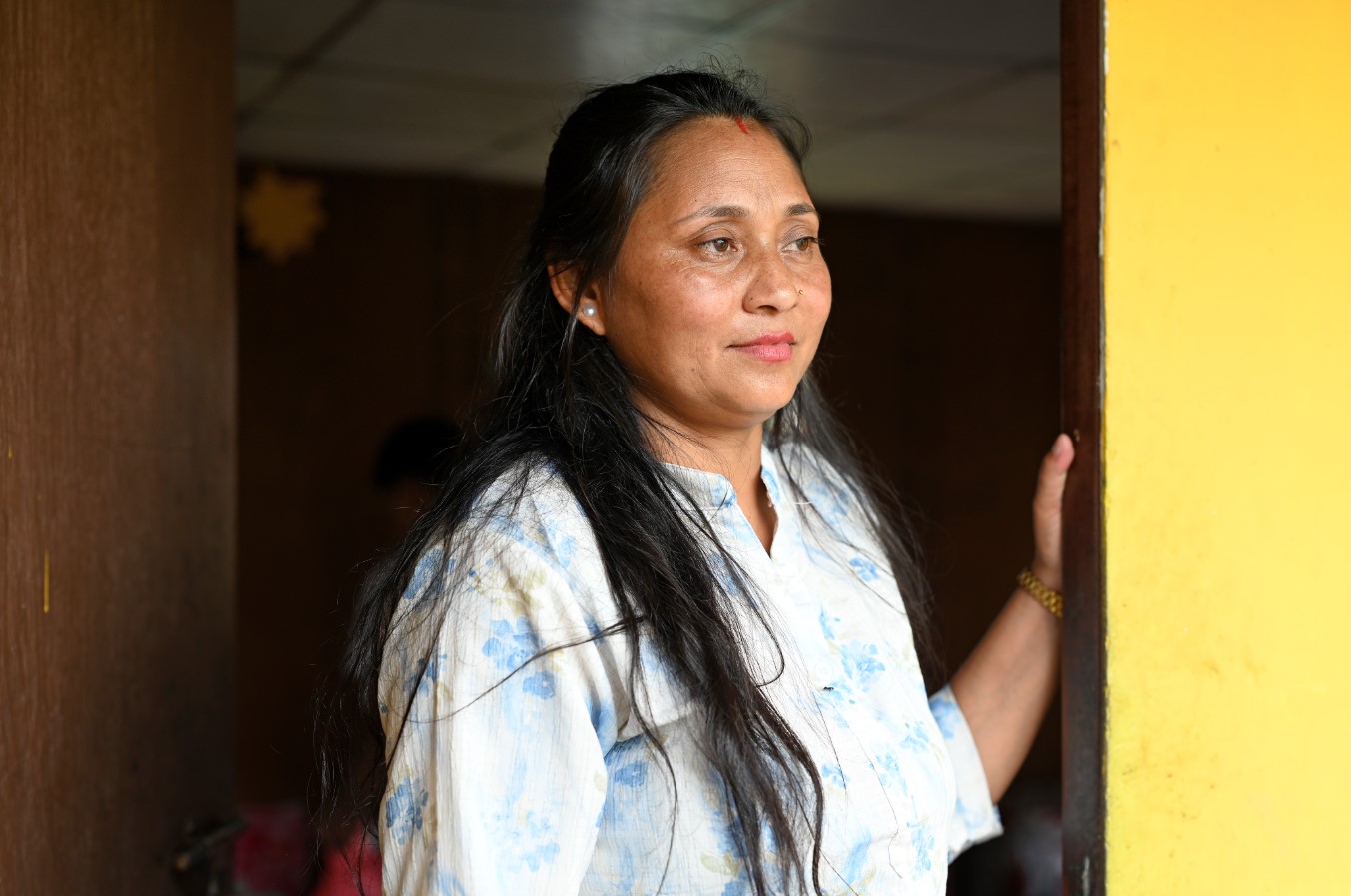
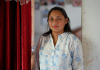
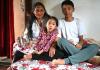
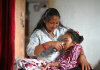
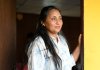
Shanta Baral
“My name is Shanta Baral, and my journey with my daughter, who has cerebral palsy, has been one of love, endurance, and deep sorrow. I come from Khotang, a village where my childhood was spent in the simplicity of farm life. I never imagined that the course of my life would shift so dramatically, or that I would be tested in ways I never thought possible.
I moved to Budhanilkantha after heart surgery which changed everything. My son was only four months old when I was told I needed the surgery. I was 27, battling both the fear of my failing heart and the uncertainty of motherhood. My husband was away, working as a labourer, and during those early years, my strength was forged - first for my survival, and then for my children.
In 2068 BS (2012), I gave birth to my daughter, and from the moment she entered this world, things were different. She didn’t cry at birth. I watched as doctors rushed her to the ICU. She stayed there for months, and when she finally came home, we realised that her path would not be like other children’s.
As time passed, it became clear that her mind could grasp some things - she knew when she was hungry, she could express small needs - but her body was frail. She never sat up, never moved like other babies. By six months, we were told she had cerebral palsy. Those words echoed in my mind, a diagnosis that I barely understood but knew would change everything.
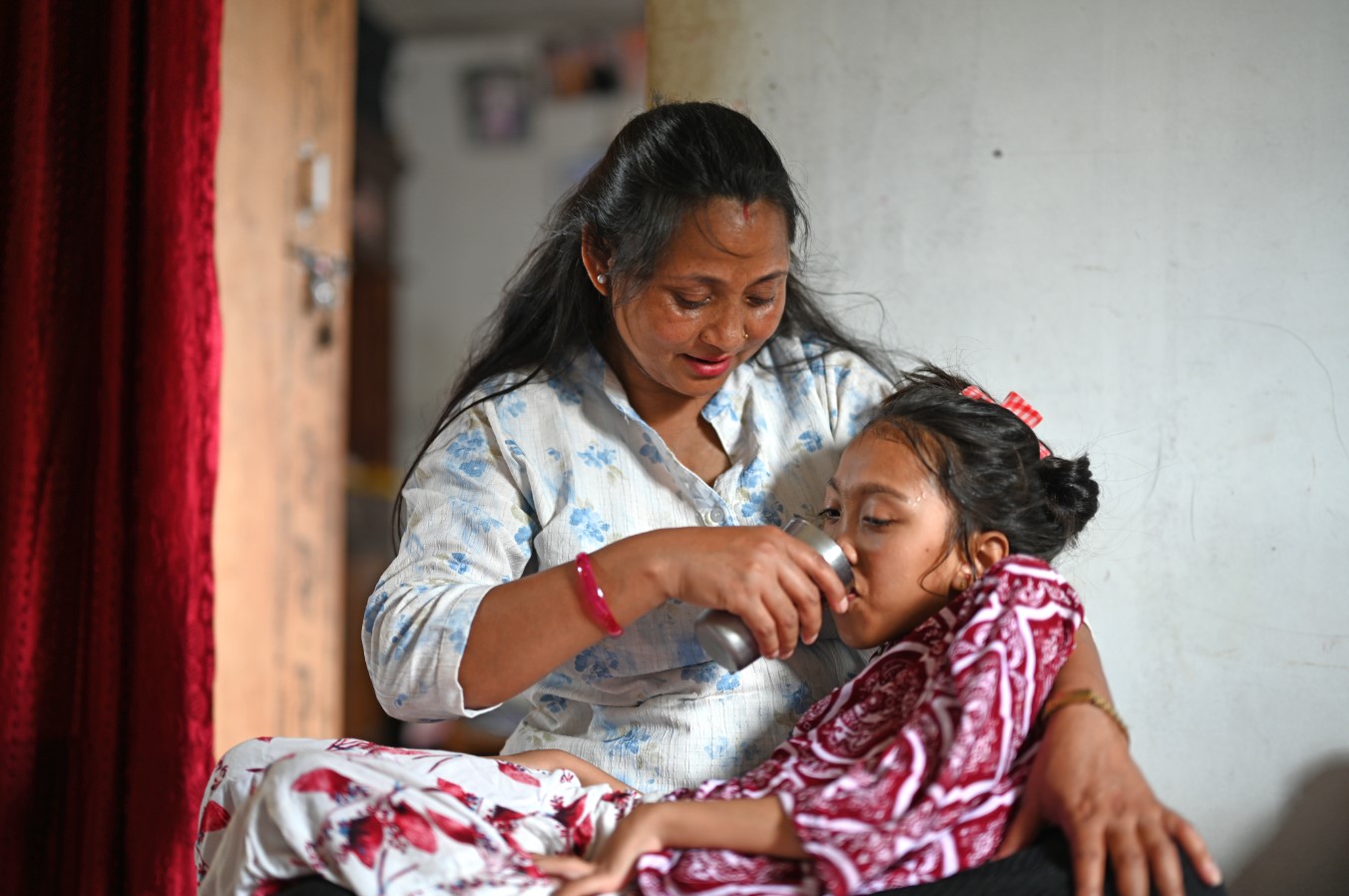
Days became a blur of hospital visits, therapies, and endless care. Every movement was met with resistance from her body. She couldn’t do what other children could, and most of my life now revolves around caring for her. I’ve learned to measure time by the way her body changes, growing but never strengthening.
We’ve lived in the same rented shed for seven years now. There’s little help from the community because we aren’t locals, and the stigma surrounding my daughter’s condition makes it hard to find a place to rent. Many think cerebral palsy is contagious, even though it’s not. That hurt more than anything - to be isolated because of my child’s condition.
My daughter is now 12. She’s still entirely dependent on me, and though I try to stay strong, the weight of the future often pulls me into despair. What will happen to her when I am gone? How will she live in a world that doesn’t understand her?
We mothers, those of us who raise children like mine, are bound by a unique kind of sorrow. We meet in groups now - parents like me - trying to learn, trying to survive. The Self-help Group for Cerebral Palsy (SGCP) in Dhapakhel has been a lifeline, offering us training, physiotherapy for our children, and a place to talk about our fears. They’ve taught us not to hide our children, but it’s hard. Society doesn’t understand, and often we’re left with nothing but each other.
My husband does what he can, sending money from abroad. He stood by me through my heart surgery and continues to support our daughter’s treatment. But his absence is felt deeply. On days when I’m too weak even to lift my daughter, I feel an overwhelming loneliness. Some nights, I cry, thinking about how fragile life is - what if I die? What will happen to her?
My son, now older, helps in ways that break my heart. No child should have to carry such a burden. He is kind, but I see the weight on his young shoulders - the unspoken responsibility of having a sister who will never grow like he does.
The future scares me. Schools don’t want children like my daughter. As they grow older, there are fewer places for them to go, and fewer services to help. Parents fall into depression. Some marriages collapse under the strain. I’ve seen it, lived it.
But through all this, there is a flicker of hope in our small Carers Group which was set up for us by SGCP. We’ve learned to support one another, to teach new parents that there is still joy to be found, even when life feels impossible. We share information about health insurance, scholarships, and basic rights for our children. It helps to know we are not alone.
I can’t say what will happen next. My daughter will never walk, never sit, never be free of her dependence. But she is my daughter, and I will care for her for as long as I am able. I just hope that, somewhere in the future, there will be more compassion, more understanding, and more help for families like mine. Until then, I carry on, with her fragile body in my arms and the weight of the world on my shoulders.”


