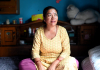
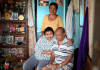


Laxmi Basnet
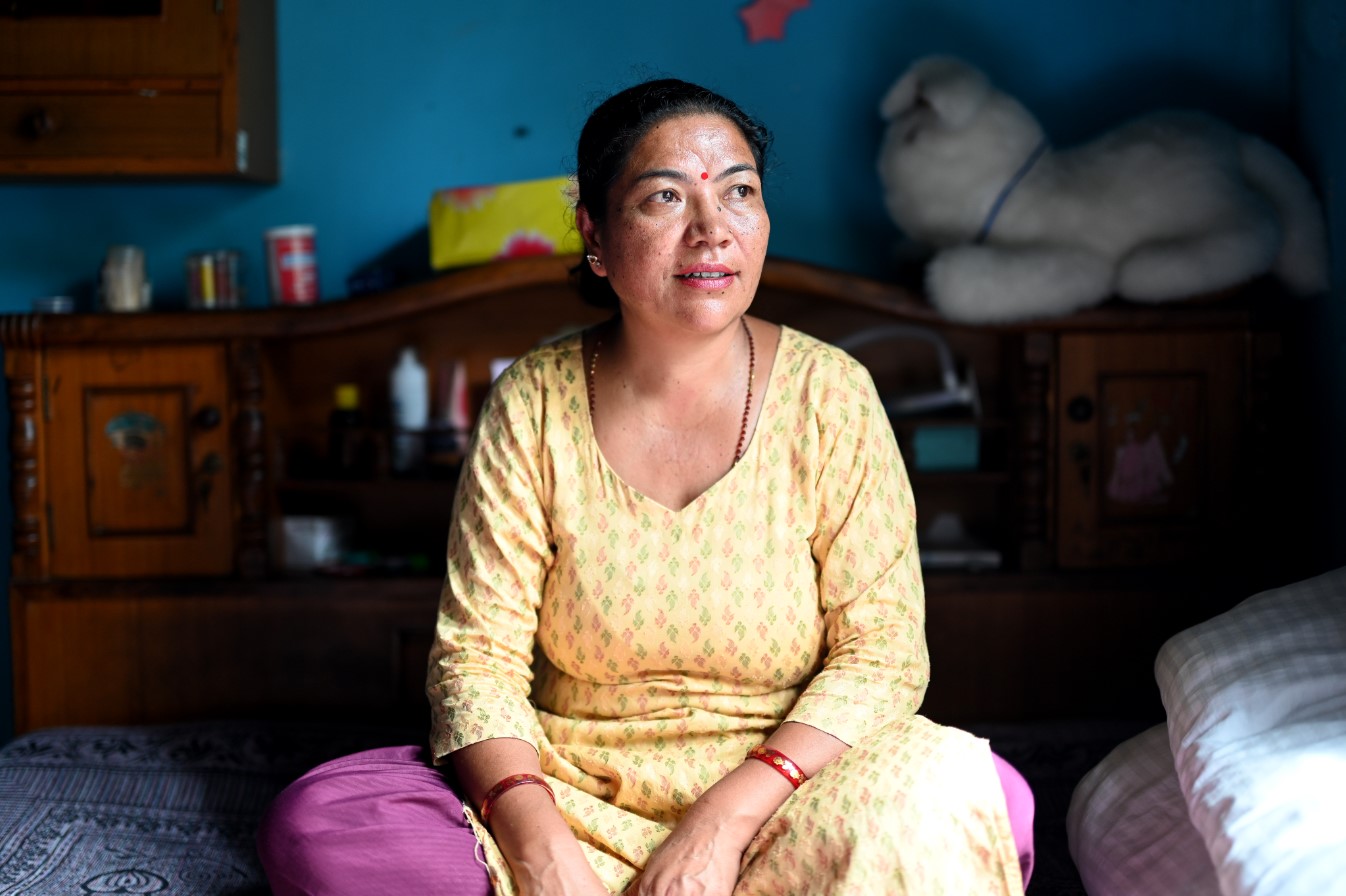
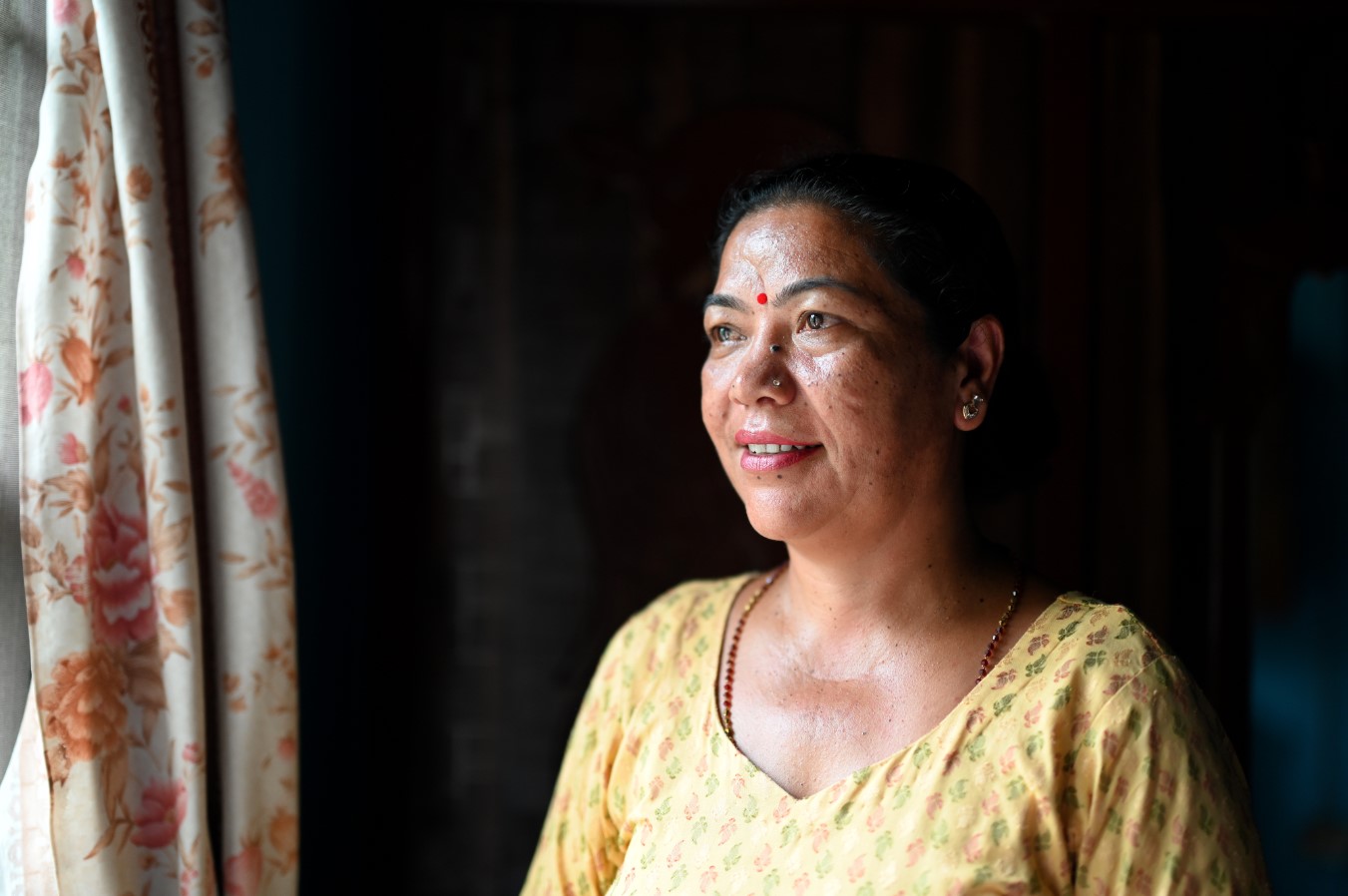
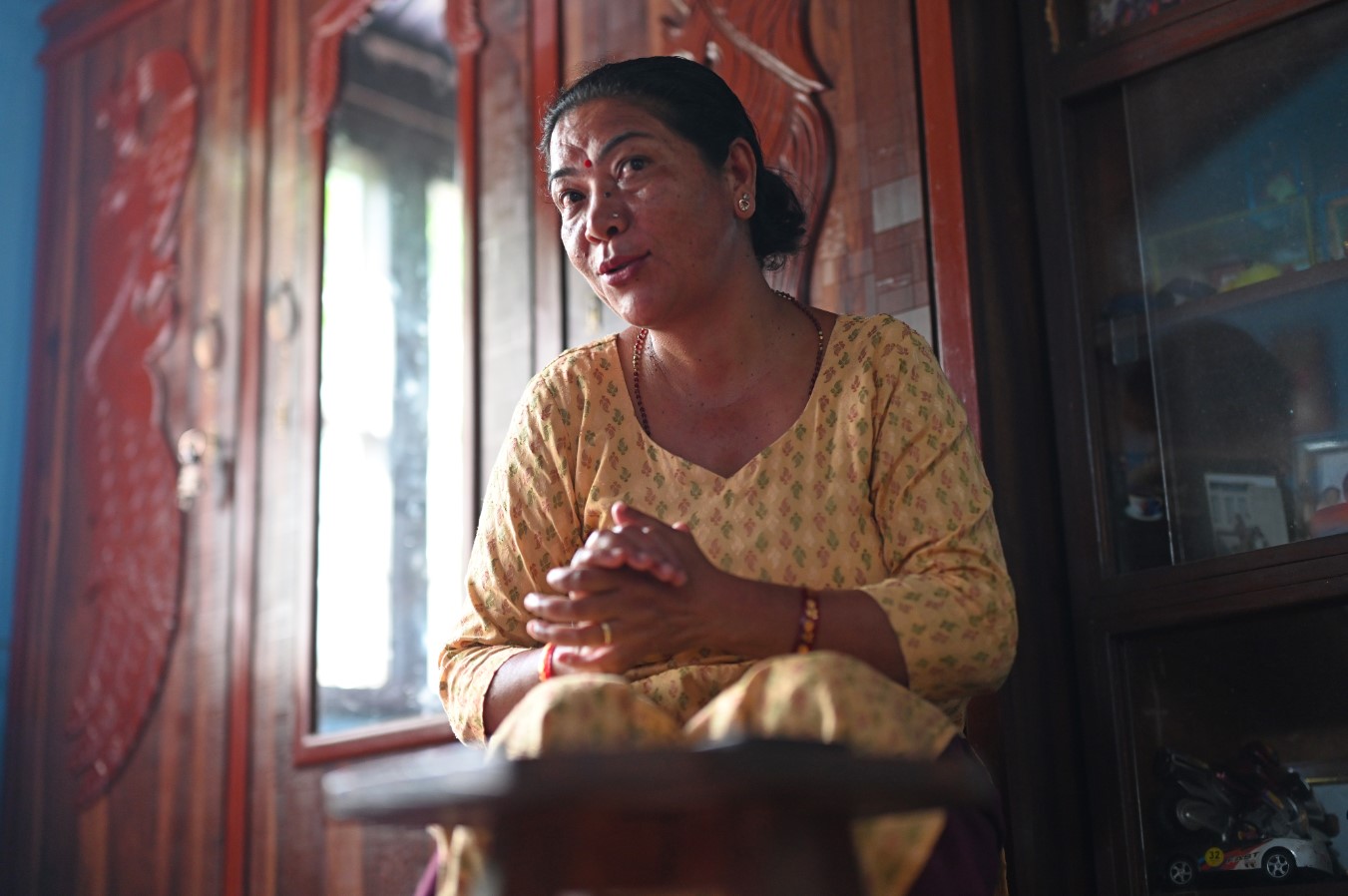
“I am Laxmi Kumari Basnet, a mother from the remote village of Sotang, Solukhumbu. Growing up, I knew the power of education, as my father, the village council chairman, believed that daughters deserved the same opportunities as sons. My childhood was filled with hard work, helping my mother in the fields, preparing meals for labourers, and gathering grass and firewood across the river. Despite the daily grind, I was determined to study, and eventually, I left my village for Kathmandu, where my life took an unexpected turn.
Years later, as a young mother at just 20, I found myself pregnant with my first child. Like many women in the village, I believed childbirth would come easily, unaware of the complications ahead. The days passed beyond my due date, and on the fifteenth day, labour pains began. In the chaos and uncertainty that followed, my daughter was born with the help of a vacuum delivery, a procedure I knew little about. But something was wrong - she wasn’t crying, and they rushed her to the NICU. I was left in the dark, still unaware of the storm that was brewing inside me.
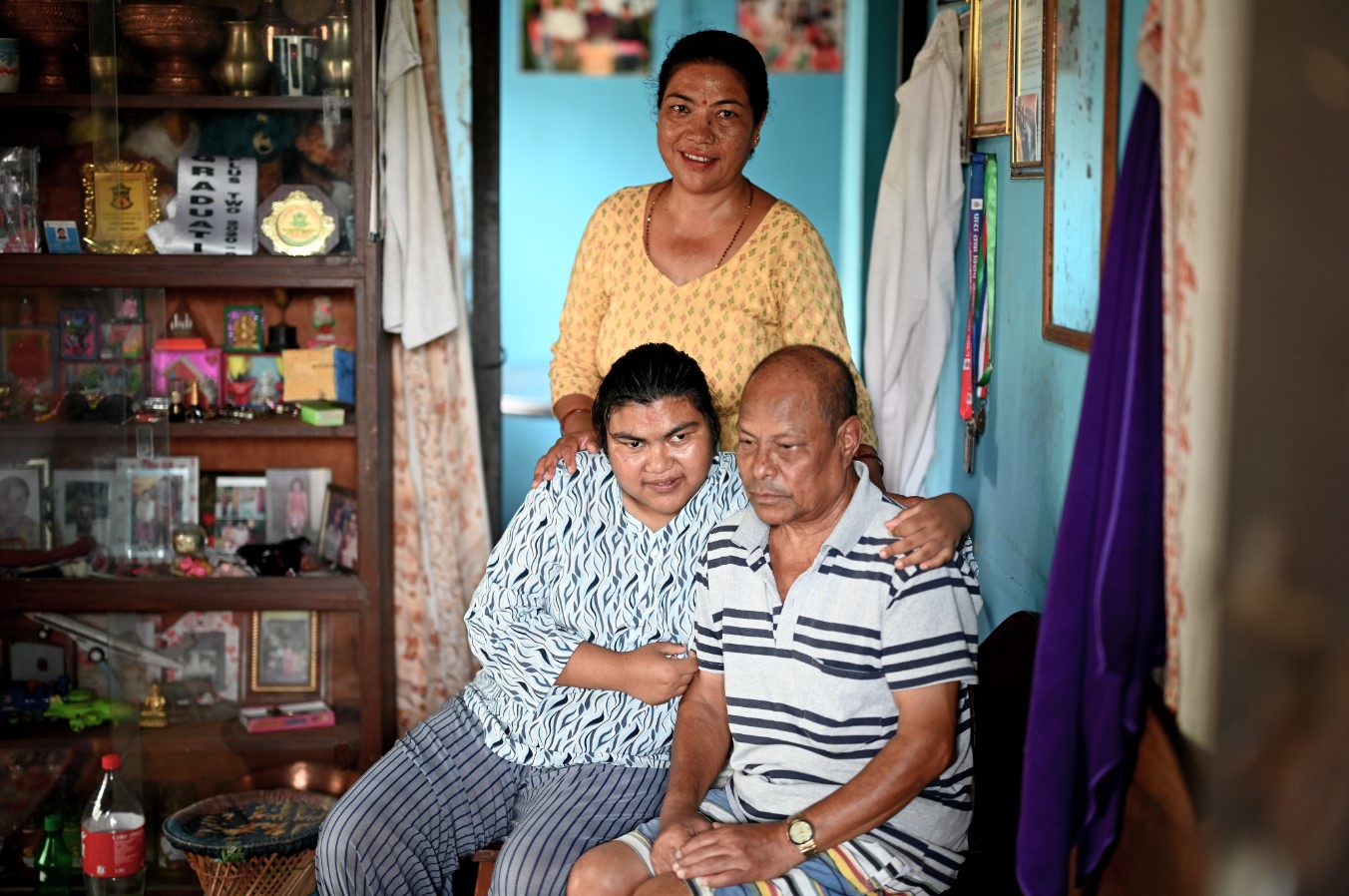
The doctors didn’t give my baby much of a chance. They told my husband she wouldn’t survive, but my daughter was a fighter. My husband, who knew the medical field well, searched for a rare medication that could save her. Even with a fractured leg, he returned with the medicine, and miraculously, she pulled through. For 18 days, I watched her in the NICU, tubes everywhere, clinging to life.
At her 45-day follow-up, the doctors spoke of developmental delays and therapy. I didn’t believe them. She was laughing, gaining weight - she seemed just like any other baby. But as time passed, I saw what the doctors had warned us about. Her neck was weak, her body stiff, and her movements slow. I took her to therapy sessions, but our financial struggles made it difficult to continue. I convinced myself I could do the exercises at home.
When she was nine months old, the reality of her condition hit me like a storm. The doctor’s words pierced my heart: “You’ll take care of her as long as you live, but what will happen to her after you’re gone?” It was a truth I wasn’t ready to hear. Cerebral palsy - a condition I had never imagined would be part of my daughter’s story, or mine.
I sought out Dr. Pushpa Raj Sharma, who became a beacon of hope. He saw the love and care I poured into my daughter and assured me that even in the U.S., she wouldn’t receive better care. His words gave me strength, reminding me that I was doing everything I could.
Years passed, and life moved forward. I secured a permanent job at Tribhuvan University in 2059 BS (2002), a milestone I had worked tirelessly to achieve. But balancing work and caring for my daughter became a daily challenge. My parents, ever supportive, took her in while my husband and I worked. One day, when she was about five years old, she fainted. My father, terrified, wanted to take her to Dharan for treatment but was unsure of the risks. We decided to bring her back to Kathmandu, where she could be under our watchful care.
I also connected with Self-help for Cerebral Palsy (SGCP) in Dhapakhel and started to get more involved in the issues carers like us face. Today, I am the secretary of the Nava Aagaman Carers Association and also the secretary of the Kirtipur Intellectual and Multi-Disability Guardians Association. I have been able to continue with my activism through the connections I have made with the help of SGCP.
I started going out more - getting involved in networks and gatherings. During this time, we supported the movement to put pressure on the government to provide more support to people with disabilities. We planned to stage a sit-in, starting from Shanti Vatika and ending at Maitighar Mandala, but the police stopped us at Shahid Gate. They even used batons, striking people in wheelchairs with their boots. The police told us to use one side of the road for the rally and leave the other side clear,
but we were trying to block the whole road to put more pressure on the government. Eventually, the baton charge happened, and I was also arrested and held for about four hours before being released. Despite this, the protest didn’t lead to any action.
There were about 100 of us parents, and most of the others were people with disabilities. Our demand was for the government to provide assistance for those with red disability cards and to easily provide them with assistive materials. The red card refers to people with 'Category A' disabilities. There are four types of cards: red, blue, yellow, and white, each corresponding to different categories. My child is currently receiving a monthly allowance of Rs.3,990 (roughly £22).
Back in 2068 BS (2011), a case had been filed in the Supreme Court, and a decision was made to provide a stipend of Rs.5,000 (roughly £28) for assistants and Rs.3,000 (roughly £17) for people with disabilities. At that time, the allowance was only Rs.500 (roughly £3), but the government didn’t implement the decision, which is why we protested. To this day, that decision has still not been enforced.
Motherhood for me has been a journey of unimaginable love and sacrifice. Every day with my daughter is a reminder of the strength she carries within her fragile body and the depth of love I carry within mine. We have fought battles together - some visible, others silent - and through it all, I’ve learned that being a mother is about more than just nurturing life. It’s about fighting for that life, even when the world tells you it’s not worth saving.”


